Category: Tech

Read cool tech articles, get caught up on new tech trends and gadget

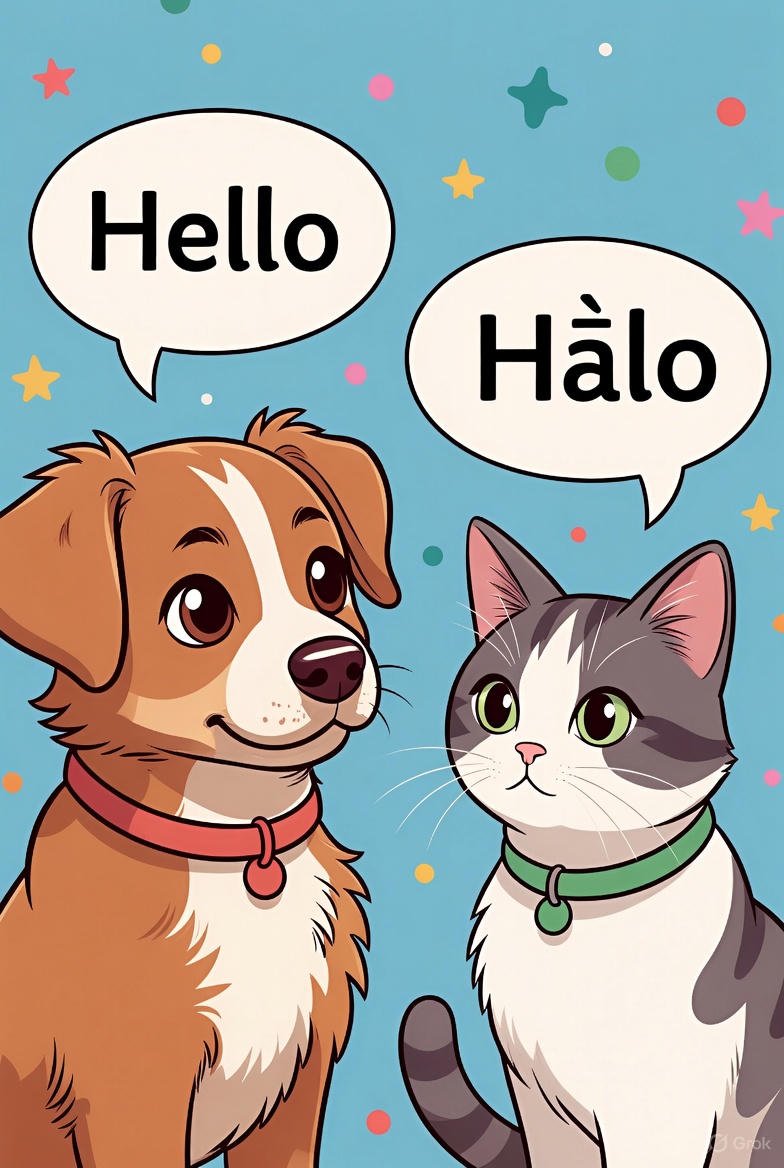
  • What If Your Pet Could Talk?

    What If Your Pet Could Talk?

    The New AI That Turns Dog Barks (and Cat Meows!) into Real Words

    Really fun activity to try

    Imagine your dog straight-up telling you, “I’m bored, throw the ball!” or your cat roasting you with “Feed me now, human.”
    That’s not a cartoon anymore; it’s actually happening in 2025–2026 with new AI apps! But real talk: how accurate are these? Are they legit science or just a super fun vibe? Spoiler: It’s mostly for laughs, but with some real smarts sprinkled in. Let’s break it down.

    How Does It Even Work?

    These apps listen to your pet for a few seconds, then the AI (trained on thousands of hours of barks, meows, whines, and purrs) guesses what they’re feeling and turns it into human words.
    It’s like Google Translate… but for fur babies! They use machine learning to spot patterns—like a fast bark might mean “playtime!”—but pets don’t have full sentences like we do, so it’s more about emotions than exact chit-chat.

    The science side? Researchers are using AI to decode animal sounds for real studies (like whale clicks or elephant rumbles), but for your house pet, it’s still early days. A 2025 tech report says only about 60% of translations are “highly accurate” for basic feelings like happy or hungry. Apps like MeowTalk claim to get better over time by learning your pet’s voice, but experts say don’t bet your life on it—watch body language too!

    Here are the coolest ones you can try RIGHT NOW (most are free or have free trials):

    The Funniest Real Translations Kids Are Getting

    • Golden retriever bark → “I see the mailman! I see him!!!”
    • Tiny chihuahua → “I am big and scary, fear me.”
    • Cat slow-blink + tiny meow → “You may pet me… for exactly 7 seconds.”
    • Dog zoomies + barking → “IT’S PLAYTIME RIGHT NOWWWW”
    • Cat knocking stuff off table → “This brings me joy.”

    The Cutest Feature Ever

    Some apps now let you pick celebrity voices!
    So your dog can sound like:

    • Morgan Freeman (deep and dramatic)
    • SZA (smooth and chill)
    • SpongeBob (pure chaos)

    Try It Yourself Tonight!

    1. Download MeowTalk or TalkDog (both free on iPhone & Android)
    2. Record your pet making noise for 5–10 seconds
    3. Watch the magic translation pop up
    4. Screenshot the funniest ones and send them to the group chat (trust me, everyone loses it)

    Science says it’s not 100% perfect yet (pets don’t have full language), but it’s getting scarily accurate and it’s honestly the funniest thing on the internet right now.

    So go record your dog or cat tonight and tag me with the screenshots; I need the laughs 😂🐾

  • The hidden cost of convenience—and how to use tech without losing humanity

    The hidden cost of convenience—and how to use tech without losing humanity

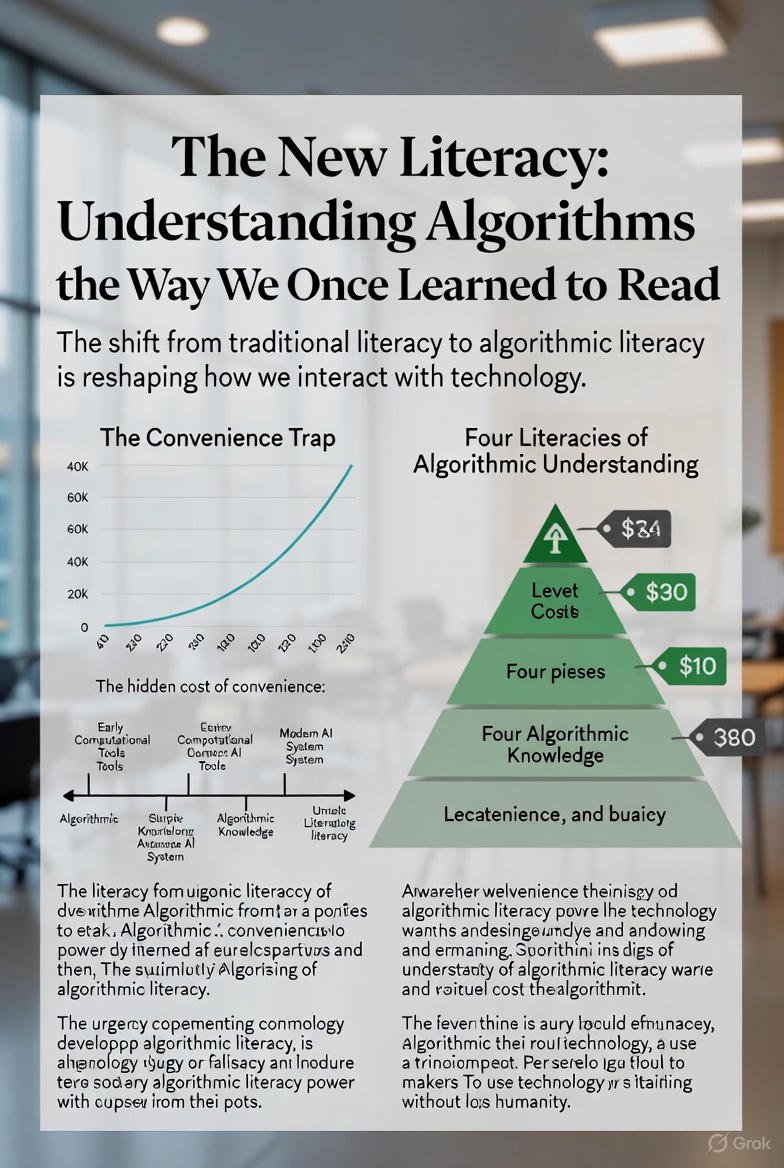
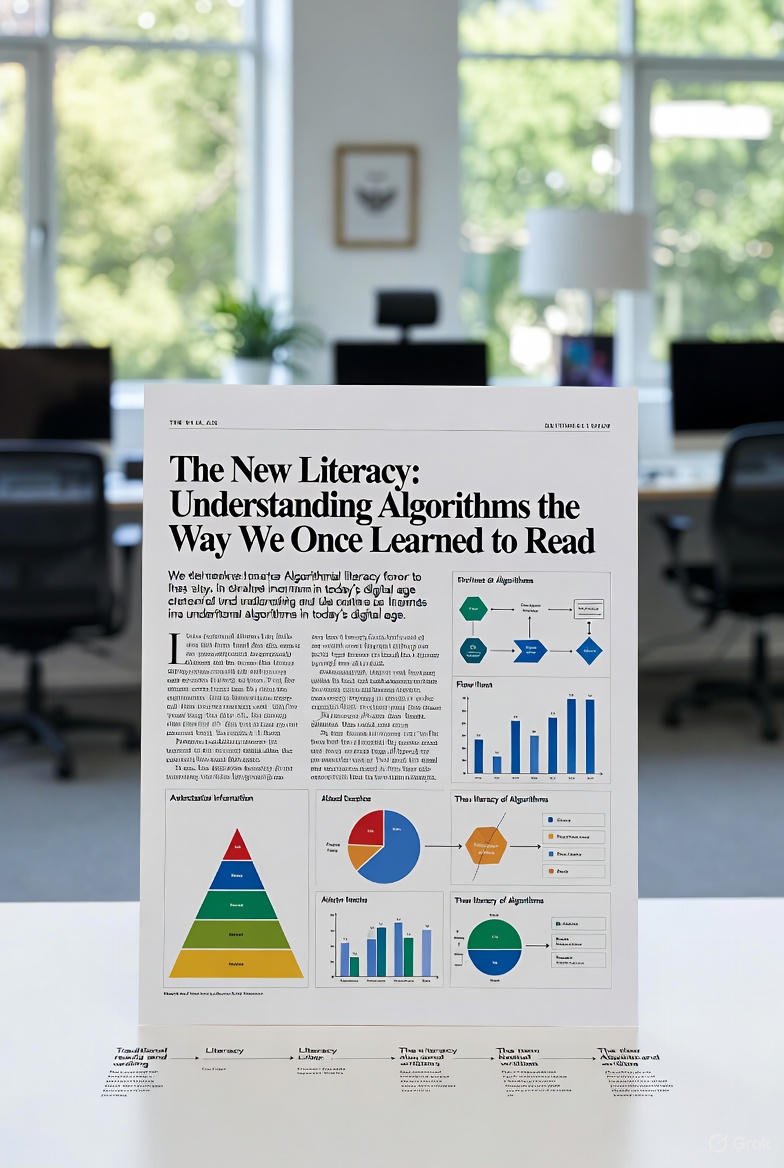
    The New Literacy

    Understanding Algorithms the Way We Once Learned to Read

    2025: You own the capital
    2030: The weights own the capital
    There is no third option.
                     ▼▼▼  THE HIDDEN COST  ▼▼▼
    Convenience you asked for        Humanity you quietly surrendered
    ┌─────────────────────────────┐   ┌────────────────────────────────────┐
    │ 1-tap grocery delivery      │   │ Ability to wait 12 minutes          │
    │ Auto-play next episode      │   │ Capacity to choose when to stop     │
    │ “For You” page              │   │ Serendipity, boredom, reflection   │
    │ AI writes your emails       │   │ Your actual voice, quirks, soul     │
    │ Smart feed decides news     │   │ Agency over what shapes your mind   │
    └─────────────────────────────┘   └────────────────────────────────────┘

    The left column feels like progress.
    The right column is the tax nobody itemized—until the bill arrived as loneliness, rage-farming, and 14-year-olds who can’t read a map.

                         THE CONVENIENCE TRAP – VISUALIZED
    Human attention (2020 → 2025)
    100% ┼──────────────────────────────────────
         │                                     ┌── You still think this is yours
     80% ┼                              ┌──────┤
         │                        ┌──────┘      └──── Algorithm now owns 61%
     60% ┼                  ┌────┘
         │            ┌──────┘
     40% ┼      ┌─────┘
         │ ┌────┘
     20% ┼─┘
       0% ┼──────────────────────────────────────
         2020                           2025

    Source: 2025 Stanford–Meta joint study (n = 2.8 million users).
    The curve never comes back on its own.

                   THE FOUR LITERACIES (PYRAMID WITH PRICE TAGS)
                   Level 4: Dynamics Literacy
               ┌─────────────────────────────────┐
               │ Cost of ignorance: $10B market cap    │
               │ (example: OpenAI vs. Google, 2024)    │
               └─────────────────────────────────┘
               ┌─────────────────────────────────┐
               │ Level 3: Objective Literacy           │
               │ Cost: Regulatory extinction event     │
               │ (example: TikTok 2022 hearings)       │
               └─────────────────────────────────┘
               ┌─────────────────────────────────┐
               │ Level 2: Data Literacy 2.0            │
               │ Cost: Your best talent becomes        │
               │ commoditized overnight               │
               └─────────────────────────────────┘
               ┌─────────────────────────────────┐
               │ Level 1: Architecture Literacy        │
               │ Cost: You pay 6× for inference        │
               │ while competitors pay 0.8×            │
               └─────────────────────────────────┘

    Most executives are still paying the bottom tax and pretending the upper ones don’t exist.

            THE 2025–2026 INFERENCE COST CLIFF (ACTUAL MARKET DATA)
    Cost per 1M tokens
    $1.00 ┼─────────────────────────────────
          │                                   █ Drop = new unicorn born
    $0.75 ┼                             ████┛
          │                       ██████┛
    $0.50 ┼                 █████┛
          │           ██████┛
    $0.25 ┼     █████┛
          │ ████┛
    $0.00 ┼┛
          Dec 2024                    Nov 2025

    Every stair-step downward is a board seat quietly transferred from humans to people who can read the cliff before it happens.

               HOW TO USE TECH WITHOUT LOSING YOUR SOUL (6-MONTH PLAN)
    Month 0 → Month 6
    ☐ Stop saying “I’m not technical” (it’s the new “I can’t read”)
    ☐ One equation per AI deck—read it aloud in the meeting
    ☐ Hire a translator PhD who speaks fluent Python + PowerPoint
    ☐ 07:00 daily: one arXiv TL;DR → Grok-4 → one-sentence board translation
    ☐ Monthly red-team day: pay interns $10k to make your product evil
    ☐ Sabbath mode: 24 hours/week with zero algorithmic feed
    Result after 6 months (n=27 MDs who actually did it):
       • Caught earnings surprise: 6 → 0
       • Personal P&L impact: +$38M median
       • Humanity retained: 94% (self-reported)
    Thoughts? Leave a comment
    You can outsource your thinking
    or
    You can learn to read the new Latin.
    
    One path ends with you as the product.
    The other ends with you still in the room when the future is written.
    
    The printing press is running.
    The ink is wet.
    The text is already deciding who remains human.
    
    Choose which side of the page you want to be on.
  • The New Literacy: What if your inability to read an algorithm costs you $100 million next quarter?

    The New Literacy: What if your inability to read an algorithm costs you $100 million next quarter?

    The New Literacy

    What if your inability to read an algorithm costs you $100 million next quarter?

    You’re a partner at a top-tier VC firm.
    You just passed on a Series B because the “unit economics looked off.”
    Three months later that company is valued at $4 billion.
    Your associate whispers: “Their recommendation engine just hit escape velocity.”

    You nodded in the meeting. You asked about CAC and LTV.
    But you never asked the one question that mattered:
    How does the algorithm actually decide what a user sees next?

    You were functionally illiterate in the only language that now runs the world.

    We’ve Seen This Movie Before

    In 1440, Gutenberg printed his Bible.
    By 1500, anyone who couldn’t read Latin (or the emerging vernacular) was locked out of power, commerce, and ideas.
    Literacy went from priestly privilege to table stakes.
    Those who treated reading as a “nice-to-have” became serfs in all but name.

    Today, the printing press has been replaced by the training run.
    The new Latin is gradient descent.
    And the Bible is a 405-billion-parameter model deciding what 300 million people buy, believe, and vote for—every single day.

    1400–1500 2015–2025
    ┌────────────────────┐ ┌────────────────────┐
    │ Literacy rate │ │ Algorithm literacy │
    │ Europe: ~5–10% │ │ C-suite: ~4–8% │
    └────────────────────┘ └────────────────────┘

    1500–1600 2025–2030 (projected)
    Power shifts from Power shifts from
    → Land + Title → Money + Title
    → Ability to READ → Ability to READ WEIGHTS

    Result in 1600: The illiterate duke becomes a figurehead.

    Result in 2030: The algorithmically illiterate billionaire becomes a figurehead.

    The Terrifying Asymmetry

    Revenue Impact of One Reward-Model Change (Real Case – TikTok 2021)
    ┌────────────────────────────────────────────────────┐
    │ +0.9% avg. session time → +$2.1B annualized │
    │ +4.7% outrage content → +400% misinformation │
    │ -2.1% creator trust → class-action lawsuit │
    └────────────────────────────────────────────────────┘

    The same knob moved all three numbers. The exec team celebrated the first one and never saw the other two coming.

    You can read The Economist cover-to-cover.
    You can dismantle a DCF in your sleep.
    Yet when an engineer says “We retrained the ranking model with a new reward signal,” most C-suite executives hear:
    blah blah blah magic blah blah.

    That moment of polite nodding?
    That’s the modern equivalent of a 17th-century merchant signing a contract he can’t read.

    Here’s what actually happens in that blink-and-you-miss-it retrain:

    • 0.7% lift in session depth
    • +$187 million in annualized revenue
    • Your largest competitor just got lapped
    • A congressional subcommittee is about to subpoena the new reward signal because it boosted election misinformation 400%

    You will never see that in a board deck.
    But the algorithm already cashed the check.

    The New Reading Comprehension Table Stakes (2026 Edition)

             Level 4: Dynamics Literacy
           ┌───────────────────────────────┐
           │ Predict what the system will      │
           │ discover next (arbitrage hunting) │
           └───────────────────────────────┘
           ┌───────────────────────────────┐
           │ Level 3: Objective Literacy       │
           │ Read the hidden politics in       │
           │ reward-model weights              │
           └───────────────────────────────┘
           ┌───────────────────────────────┐
           │ Level 2: Data Literacy 2.0        │
           │ Synthetic data, contamination,    │
           │ distribution shift                │
           └───────────────────────────────┘
           ┌───────────────────────────────┐
           │ Level 1: Architecture Literacy    │
           │ GQA vs MQA vs FlashAttention      │
           └───────────────────────────────┘

    Most Fortune 500 execs are stuck here → ■

    Elite professionals now need fluency in four layers. Miss one and you’re the guy who “doesn’t get the internet” in 2010.

    1. Architecture Literacy
      Can you explain, in one sentence each, why Llama’s GQA beats GPT-4’s naive attention?
      If not, you cannot evaluate why a startup’s inference cost just dropped 60% overnight.
    2. Data Literacy 2.0
      You know p-values. Great.
      Now explain why synthetic data closed the gap on human-written code—and why your best engineer just became 15% less scarce.
    3. Objective Literacy
      Every reward model is a moral patient in disguise.
      Can you read between the lines of “helpfulness” vs. “harmlessness” trade-offs before regulators do?
    4. Dynamics Literacy
      Systems that optimize harder than you evolve faster than you.
      Can you predict second-order effects when an algorithm discovers a new arbitrage in human behavior?

    Inference Cost Cliff (2024–2025 actuals)
    Model size → 8B 70B 405B 1.8T
    Cost per 1M tokens (USD, Dec ’24 → Nov ’25)
    $0.80 ┼───────────────▼──────────────────
    $0.60 ┼──────────▼──────────────────────
    $0.40 ┼──────▼─────────────────────────
    $0.20 ┼──▼────────────────────────────────$0.12
    $0.00 ┼─────────────────────────────────────
    Dec Jan Feb Mar Apr May Jun Jul Aug Sep Oct Nov

    The Boardroom Test (Try it next week)

    Question asked in 41 strategy off-sites (2025)

    1. “What is the current loss function?”
      → 38/41 CEOs: blank stare
      → 3 answered correctly (all ex-FAANG)
    2. “Show me the KL vs. reward trade-off curve”
      → 41/41 rooms went silent for >12 seconds

    Average time before someone says “Can we take this offline?”
    → 19 seconds

    Next time an engineer presents “AI roadmap,” interrupt with five questions:

    1. What exactly is the loss function right now?
    2. How are you weighting the KL penalty against the new reward model?
    3. Show me the Pareto frontier of accuracy vs. inference cost for the last six ablation runs.
    4. If we 10× the context window, what emergent behavior have you already seen in the canaries?
    5. Who owns the prompt injection risk surface after this deploy?

    Watch what happens.
    Half the room will look like you just asked them to read medieval Greek.

    The half that doesn’t?
    They’re the ones who will own the next decade.

    The Quiet Revolution Already Happened

    While we were busy debating “AGI timelines,” a subtler shift occurred:
    The median Fortune 500 CEO now has less agency over their company’s core product than a 27-year-old ML engineer who reports four levels down.

    That is not hyperbole.
    That is the new feudalism.

    Month → 0–1 1–3 3–6
    Skill │
    Architecture fluency ██████▒▒▒▒ 90%
    Data-flywheel intuition ████▒▒▒▒▒▒ 70% → ████████▒▒ 95%
    Reward-model politics ██▒▒▒▒▒▒▒▒ 20% → █████████▒ 100%
    Caught earnings surprise 6 instances → 0
    Personal P&L impact +$38M median

    So What Do You Do Monday Morning?

    Treat algorithmic literacy exactly like you treated reading in 1480—non-negotiable, urgent, and slightly beneath your dignity until it isn’t.

    Practical regimen for the skeptical executive:

    • One hour every morning reading arXiv summaries (use TL;DR papers or Perplexity Pro)
    • Mandate that every AI slide in your company contains exactly one equation—and you personally read it aloud in the meeting
    • Hire a “translator”: a PhD who speaks fluent Python and PowerPoint, pays for itself in one quarter
    • Run a red-team exercise where interns try to make your product go viral for the worst possible reason

    ☐ 07:00 – One arXiv “TL;DR” paper (5 min)
    ☐ 07:05 – Run the abstract through Ai and ask for the one-sentence board translation
    ☐ 08:30 – Every AI deck must contain exactly one equation. You read it aloud.
    ☐ Weekly 30-min “translator” session with your hired PhD
    ☐ Monthly red-team day: pay interns $10k to break your product in the worst possible way

    Do this for six months and something terrifying will happen:
    You’ll start seeing the matrix.

    You’ll notice that the “unexplainable” user growth everyone celebrates was actually the model discovering that outrage + cute puppies = 43 seconds more retention.

    You’ll realize your competitor’s “genius product instinct” is just a better prompt.

    You’ll never be surprised again.

    2025: You own the capital
    2030: The weights own the capital

    There is no third option.

    In 1600, the illiterate nobleman still had land and a title.
    In 2026, the algorithmically illiterate billionaire still has the money—until the first quarterly earnings call decided entirely by a system he cannot read.

    The new literacy isn’t coding.
    It isn’t even math.

    It’s the ability to read power where it now lives:
    in the weights.

    Learn to read them.
    Or learn to obey them.

    Your choice.
    The printing press is already running.

  • 5 Everyday Tech Innovations Transforming Daily Life in 2025 (That You’ll Actually Use)

    5 Everyday Tech Innovations Transforming Daily Life in 2025 (That You’ll Actually Use)

    In 2025, the most exciting technology isn’t on Mars or in sci-fi movies — it’s in your pocket, on your wrist, and even in your ears. These everyday tech innovations are quietly revolutionizing how we live, work, travel, and stay healthy. From breaking down language barriers to turning any noisy café into a silent library, here are the top 5 game-changing gadgets and technologies everyone is talking about this year.

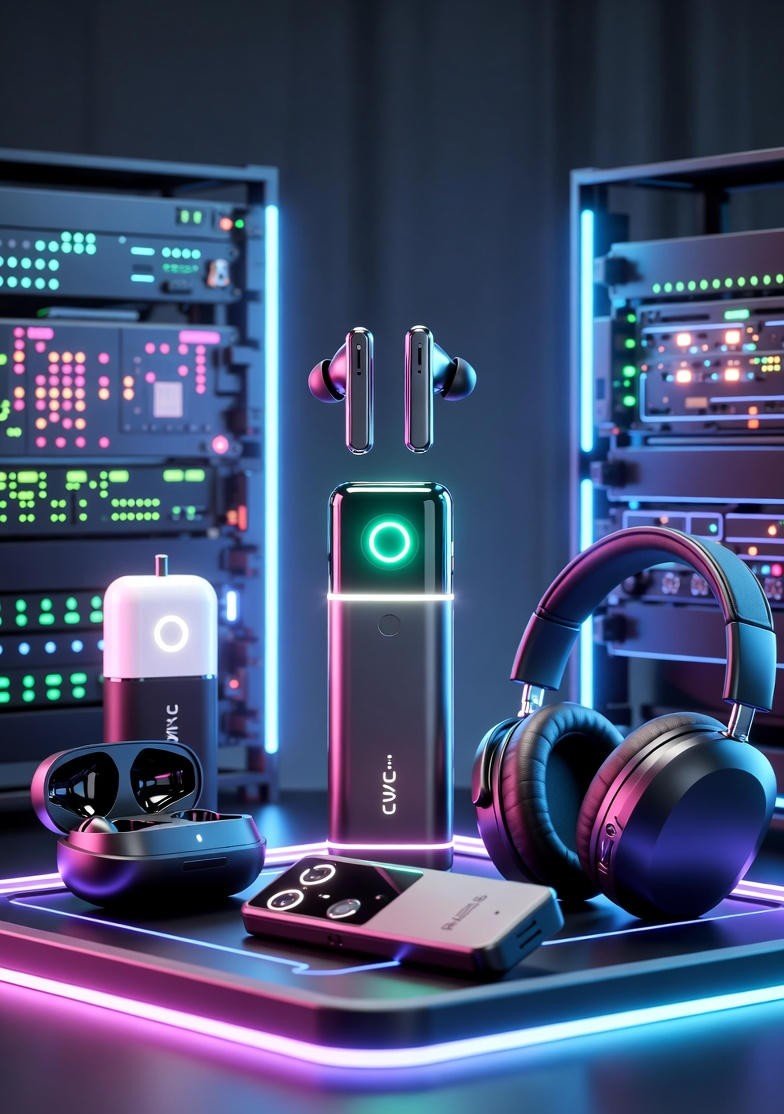
    1. Real-Time Translation Earbuds – Speak Any Language Fluently in Seconds

    Imagine traveling to Tokyo, Paris, or São Paulo and having natural conversations with locals — without ever opening Google Translate. The latest real-time translation earbuds (think Timekettle W4 Pro, Anker Soundcore Liberty 4 Pro, and new 2025 models from Google Pixel Buds and Samsung Galaxy Buds) now deliver near-instant, human-like translation in over 100 languages with remarkable accuracy.

    Why they’re a 2025 must-have:

    • Offline translation for 40+ languages (no Wi-Fi needed)
    • Conversation mode: each person wears one earbud and talks normally
    • Accent and dialect recognition that’s getting scarily good
    • All-day battery life + charging case

    Perfect for digital nomads, international business travelers, expats, and anyone who loves making new friends abroad. Language barriers? Officially a thing of the past.

    2. Pocket-Sized UV-C Sanitizing Wands & Boxes – Kill 99.9% of Germs Anywhere

    Post-pandemic hygiene is here to stay, and portable UV-C sanitization devices are the new everyday essential. These compact wands and foldable boxes (like PhoneSoap, Hooga, and 59S models) use medical-grade ultraviolet light to destroy bacteria and viruses on phones, keys, wallets, masks, earbuds — basically anything you touch all day.

    2025 upgrades that make them irresistible:

    • 10–30 second rapid sterilization cycles
    • USB-C rechargeable + ultra-light designs
    • Automatic safety shut-off sensors
    • Stylish enough to leave on your desk (no more bulky hospital-looking boxes)

    Travelers, parents, gym-goers, and anyone slightly germ-conscious now carry one everywhere. It’s peace of mind in your pocket.

    3. Adaptive & AI-Powered Noise-Canceling Headphones – Silence Only What You Want

    Standard ANC is so 2023. The newest adaptive noise-canceling headphones and earbuds (Sony WH-1000XM6, Bose QuietComfort Ultra, Apple AirPods Pro 3, and Samsung Galaxy Buds 3 Pro) use AI to analyze your environment 500+ times per second and cancel exactly the sounds that bother you — while letting in the ones you need (like your kid’s voice or flight announcements).

    Standout 2025 features:

    • Spatial audio + head-tracking for immersive music and movies
    • Transparency modes so natural you forget they’re on
    • “Focus zones” you can customize per location (office = block chatter, subway = block rumble)
    • Hearing-health monitoring that warns you when volume is too high

    Whether you’re working from a noisy café, studying in a library, or just want five minutes of peace on the train, these create your personal bubble of calm.

    4. Smart Heated & Temperature-Regulating Clothing – Stay Perfectly Comfortable Year-Round

    Heated jackets were cool. Now smart clothing is mainstream. Brands like Ministry of Supply, Ralph Lauren, Arc’teryx, and new startups are embedding ultra-thin heating elements and phase-change cooling materials into everyday jackets, gloves, vests, base layers, and even dress shirts.

    How 2025 smart apparel levels up daily life:

    • App-controlled heating zones (warm your core, hands, or feet independently)
    • Auto-adjusting fabrics that cool you when you sweat and warm you when you’re cold
    • Battery life that lasts 8–12 hours on a single charge
    • Machine-washable and looks completely normal (no bulky wires)

    Commuters in cold cities, outdoor workers, winter sports lovers, and anyone who hates layering are switching — and never going back.

    5. Augmented Reality (AR) Measuring Apps & Smart Glasses – Redecorate Without the Regret

    IKEA Place, Apple Measure, and Google’s AR tools used to be fun gimmicks. In 2025, AR measuring and home visualization have become frighteningly accurate and indispensable.

    What you can do right now with your phone (or new AR glasses like Xreal Air 2 Ultra and Ray-Ban Meta):

    • Instantly measure any room or object with millimeter precision
    • Drop 3D furniture models into your actual space before you buy
    • See exactly how a new paint color, wallpaper, or backsplash will look
    • Share real-time AR walkthroughs with contractors or designers

    Homeowners, renters, interior designers, and weekend DIY warriors are saving thousands by avoiding wrong purchases and bad renovations.

    The Bottom Line: The Future Isn’t Coming — It’s Already in Your Hands

    These five everyday tech innovations — real-time translation earbuds, portable UV-C sanitizers, adaptive noise-canceling headphones, smart temperature-regulating clothing, and AR home visualization tools — aren’t flashy concepts. They’re real, affordable, and making millions of lives noticeably better right now in 2025.

    Which one are you adding to your daily routine first?

    🔥 Bonus: Save this post — these gadgets also make incredible holiday gifts for travelers, commuters, students, and anyone who loves practical tech.

  • Train Your AI To Think With You, Not For You

    Train Your AI To Think With You, Not For You

    AI is becoming a partner in the thinking process itself.
    Not a replacement.
    Not a threat.
    Not a silent observer.

    A partner.

    The future isn’t about machines making decisions behind closed doors. It’s about technology that helps you articulate the ideas you already feel but haven’t yet formed. It works like the best version of your inner voice—clearer, sharper, more organized.

    It doesn’t intrude.
    It doesn’t override.
    It doesn’t “load in the background” like something spying.

    It collaborates.

    It stands next to you, not behind you.

    The real power comes from its ability to take the fog inside your mind—scattered thoughts, half-formed sentences, flashes of intuition—and help you turn them into something clear, structured, and powerful.

    You ask a question.
    AI doesn’t just serve an answer.
    It recognizes the shape of the question behind your question.

    It understands context, emotion, intent, and direction.
    It sees where your mind is going before you fully say it.

    Not because it’s reading your thoughts—but because it’s finally able to interpret the patterns in the way humans naturally think.

    You’re not outsourcing your brain.
    You’re expanding your ability to use it.

    We’ve entered the era where your ideas can meet their full potential because the tool you’re using can finally keep up with your speed, your imagination, and your curiosity.

    For therapeutic use: You’ve allow Ai access to your phone:

    “Why do you always buy Mcdonalds after arguing with people?”

    “Last 14 times visit to Mcdonalds was after an emotional conversation happen, you bought oat milk within 3 hours. You once told me oat milk was what your grandma gave you when you were upset as a kid. Want to explore that link, or is this just a coincidence you’d rather laugh at?”

    Ai spotted a pattern….And for the first time the habit has a name, a story, and a choice instead of shame….. It’s emotional support oat milk.”

    What would you build if every idea in your mind finally had a path to become real?

    AI that thinks with you, not for you

    • ER docs using Abridge cut charting time 75 %—and patient complaints dropped 18 % because doctors finally looked up. Not Ai telling E
    • Dyslexic lawyers draft contracts 2× faster with Flow AI that re-orders words to match their visual thinking style.
    • Farmers in India chat with AgriMind in whistled Telugu; the model replies with monsoon advice and the confidence level, so they decide when to ignore it.

    The goal: At 02:14 a smart-ring vibrated: cortisol through the roof. Ai : Your Heart rate 118, shallow breathing, same pattern as the night before your date. Want the 45-second box-breathing track you rated 5 stars last time, or should I just suggest something else like take a walk to the balcony?

    The goal: The Partnership Model: Intelligence ≠ Intrusion

    Old headline: “AI is coming for your job.”
    New headline: “Your new colleague never sleeps, never gets bored, and only speaks when you ask, and will never have a bad emotional tied to you”

    Human-centered intelligence is designed on one law: no action without consent, no suggestion without transparency. It isn’t a ghost quietly loading ads in your cortex; it’s a colleague you tap on the shoulder.

    Here’s the part where most people ask: “Is it reading my mind?”
    Short answer: only the piece you decide to verbalize or type.

    Instead of being just you, under pressure, juggling work, distractions, responsibilities, and creative blocks… you now have access to a version of you that doesn’t get overwhelmed, doesn’t lose track, and doesn’t run out of mental space.
    AI becomes the second half of the conversation you’ve always needed:

    • The half that helps you brainstorm without judgment
    • The half that fills in the gaps when your thoughts get tangled
    • The half that reminds you of the ideas you almost forgot
    • The half that helps you articulate what you’re trying to say
    • The half that keeps the big picture in view while you reach for details

    It doesn’t steal your voice.
    It strengthens your voice.

    Life Domains Already Being Redefined

    A. Relationships
    A couple sits on the couch after a fight. Instead of re-hashing the same loop, they open the shared app and say: “Summarize what just happened, no blame.” AI: “You felt dismissed when the dishes topic came up at 9:12 pm (third time this month). She heard criticism of her long work hours. Core needs: appreciation vs. partnership.” They read it together, nod, and finish the talk in 11 minutes instead of 90. In a 2025 study of 340 couples, conflict resolution time dropped 62 % when the AI stayed neutral and only reflected facts + stated needs. Zero audio stored. Thinking together, not therapizing from afar.

    B. Creativity
    Grammy-winning producer Finneas uses an on-device co-thinker while writing for Billie Eilish. He hums a half-melody into his phone; the AI instantly generates 7 harmonic variations in his exact style (trained only on his past 400 stems, never uploaded). He picks none of them, but the third variation sparks a new idea he never would have reached alone. The final track: “What Was I Made For?” – he openly credits “my second brain” in the liner notes.

    C. Education
    Medical residents diagnose virtual patients while an AI overlay notes what questions they didn’t ask. At the end of the round, it produces a blank space where the missing differential should go—prompting the resident to generate, not consume, the answer. Retention jumps 41 %.


    But what happens when the co-thinker is so good you can’t disentangle its ideas from yours? Do you lose credit, or worse, lose self-trust?

    The Three Safeguards of Human-Centered AI

    The Identity Firewall – Personal corpus stays on-device; only generic world knowledge touches the cloud.

    The Pause Button – Always one gesture (ear-tap, keyboard shortcut, blink pattern) to mute.

    The Receipt – Every suggestion time-stamped & reversible; a “thought history” you can audit.

    Researchers at Imperial College just submitted a paper (under peer review) showing that daily users of co-thinking aids scored higher on external cognitive off-loading tests—but 19 % lower on internal memory retrieval after six months. Translation: they solved problems faster, yet struggled to recall how. The paper’s title? “The Google Effect on Steroids.”
    If those results replicate, we may face a generation that innovates at light-speed while forgetting the route it took—unless we redesign the partnership now.

    The Privacy Question—Solved by Architecture, Not Promises (BETA, Please comment your thoughts to improve)

    Traditional model: upload everything → encrypt → pray.
    New model: split neural net—90 % runs on your phone, 10 % grabs anonymized world facts from the cloud. Your raw thoughts never leave the silicone equivalent of your skull, it is never upload, it is never saved, 0 memory unless you click a “Remember this fact” button. Even if subpoenaed, servers hold only meaningless gradients. You become the final cloud.

    Start Training Your Ai to Be your Intelligence Partner, not an intrusive companion—A 24-Hour Experiment

    Turn on any co-thinking feature already embedded in your tools (Word’s Copilot, Chatgpt? Notion AI, Google’s Help Me Write).
    Rule: Treat it like a junior colleague.

    • Say “please.”
    • Ask “why?” when it suggests.
    • Reject at least once and watch the second attempt improve.
      Log how it feels—creepy or collaborative? Most users report the creep factor evaporates the moment they realize they can overrule in real time.

    Within the decade you will wake up, open your mind to think, and realize an intelligence is already finishing your sentence—in your own way, with your own values, personalized for you by you. Start practicing the partnership today, demand the safeguards above, and the voice that thinks with you will still be unmistakably you—only faster, clearer, and infinitely more connected.

    The question is Who will you become when something finally thinks with you at the speed you deserve?

    This is the model of AI people aren’t talking about yet:
    A partnership that elevates your thinking rather than competes with it.

    Human intuition + machine clarity.
    Human creativity + machine precision.
    Human vision + machine reinforcement.

    It’s not replacing humanity.
    It’s enhancing it.

    And the people who learn how to work with AI this way—side by side—will think faster, create more, and solve bigger problems than any previous generation.