Online scams are becoming more sophisticated every year. From fake emails and fraudulent websites to social media scams and AI-generated impersonations, cybercriminals are constantly finding new ways to target unsuspecting victims.
Understanding the most common online scams is one of the best ways to protect your money, personal information, and digital accounts. In this guide, you’ll learn how these scams work and the practical steps you can take to avoid them.
Why Online Scams Are Increasing
Technology has made it easier than ever for scammers to reach millions of people through email, text messages, social media, and fake websites.
Common goals include:
- Stealing money
- Accessing personal information
- Taking over online accounts
- Collecting banking details
- Committing identity theft
Fortunately, knowing the warning signs can help you stay safe.
1. Phishing Email Scams
Phishing emails are designed to look like legitimate messages from banks, retailers, government agencies, or popular companies.
Warning Signs
- Urgent requests
- Suspicious links
- Unexpected attachments
- Requests for passwords or account information
How to Avoid It
Never click links in unexpected emails. Visit the company’s official website directly instead.
2. Fake Package Delivery Scams
Scammers send texts or emails claiming there is a problem with a package delivery.
Warning Signs
- Requests for payment
- Suspicious tracking links
- Unexpected delivery notifications
How to Avoid It
Verify deliveries through the shipping company’s official website.
3. Social Media Giveaway Scams
Fake giveaways often promise expensive prizes in exchange for personal information.
Warning Signs
- Requests for payment to claim prizes
- Fake celebrity endorsements
- New or suspicious accounts
How to Avoid It
Only participate in giveaways hosted by verified accounts.
4. Tech Support Scams
Scammers pretend to be computer technicians and claim your device is infected.
Warning Signs
- Pop-up warnings
- Unsolicited phone calls
- Requests for remote access
How to Avoid It
Legitimate companies do not randomly contact customers about computer problems.
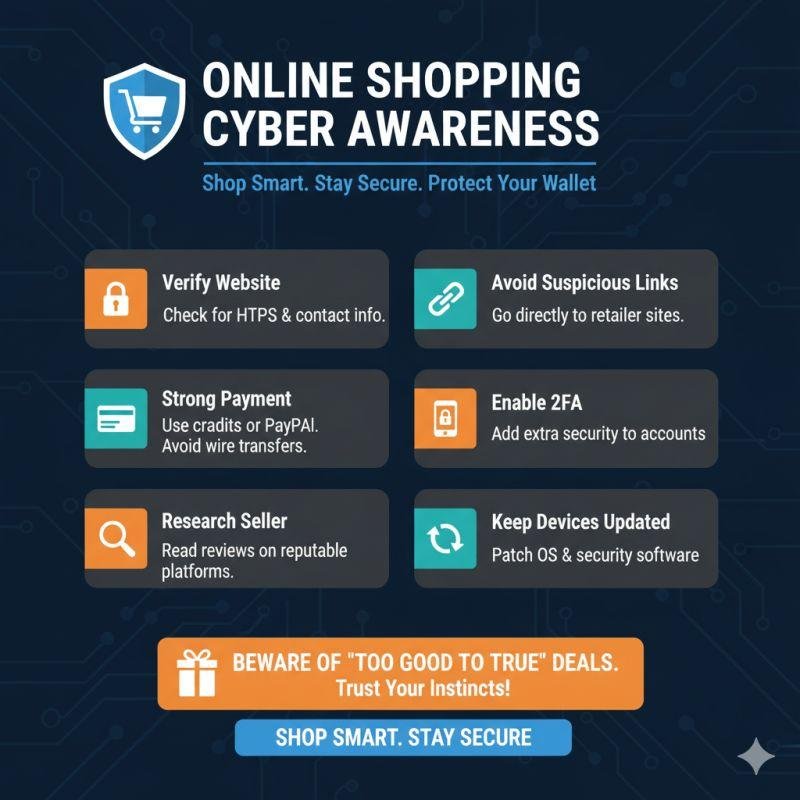
5. Online Shopping Scams
Fraudulent websites offer products at unrealistically low prices.
Warning Signs
- Prices that seem too good to be true
- No customer reviews
- Missing contact information
How to Avoid It
Research websites before purchasing and use secure payment methods.
6. Romance Scams
Scammers build emotional relationships online before requesting money.
Warning Signs
- Quick declarations of love
- Excuses to avoid meeting
- Requests for financial assistance
How to Avoid It
Never send money to someone you have not met in person.
7. Fake Investment Opportunities
Fraudsters promote “guaranteed” returns with little or no risk.
Warning Signs
- Promises of fast wealth
- Pressure to invest immediately
- Guaranteed profits
How to Avoid It
Research investments thoroughly and be skeptical of guaranteed returns.
8. Job Offer Scams
Fake employers offer remote jobs and request payments or personal information.
Warning Signs
- High pay for little work
- Requests for upfront fees
- Interviews conducted only through messaging apps
How to Avoid It
Research companies and never pay to obtain employment.
9. Cryptocurrency Scams
Scammers often use cryptocurrency because transactions are difficult to reverse.
Warning Signs
- Guaranteed profits
- Celebrity endorsements
- Urgent investment opportunities
How to Avoid It
Only use reputable platforms and verify investment claims.
10. Fake Charity Scams
These scams often appear after natural disasters or major news events.
Warning Signs
- Pressure to donate immediately
- Lack of organizational information
- Unusual payment methods
How to Avoid It
Donate directly through established charitable organizations.
11. QR Code Scams
Scammers place fraudulent QR codes on posters, parking meters, or public locations.
How to Avoid It
Verify the destination website before entering any information.
12. Account Verification Scams
Victims receive messages claiming their accounts need immediate verification.
How to Avoid It
Log into your account directly instead of clicking provided links.
13. Fake Banking Alerts
Scammers impersonate financial institutions to steal login credentials.
How to Avoid It
Contact your bank directly using official contact information.
14. AI Voice Impersonation Scams
Criminals use AI-generated voices to mimic family members or trusted individuals.
Warning Signs
- Emergency requests for money
- Unexpected phone calls
- Pressure to act quickly
How to Avoid It
Verify requests through another communication method.
15. Identity Theft Scams
Scammers gather personal information from multiple sources to impersonate victims.
How to Avoid It
Use strong passwords and monitor financial accounts regularly.
16. Subscription Renewal Scams
Fraudsters claim a subscription is about to renew and request payment details.
How to Avoid It
Review subscriptions through official company websites.
17. Fake Security Alerts
Scammers create alarming messages claiming your account has been compromised.
How to Avoid It
Access accounts directly through official apps or websites.
Red Flags Found in Most Online Scams
Regardless of the scam type, many share common warning signs:
- Urgent deadlines
- Requests for personal information
- Unexpected messages
- Pressure to act immediately
- Unusual payment methods
- Promises that seem too good to be true
Best Practices for Staying Safe Online
Use Strong Passwords
Create unique passwords for every account.
Enable Two-Factor Authentication
This adds an extra layer of protection.
Verify Before You Trust
Always verify unexpected requests for money or personal information.
Keep Software Updated
Security updates often fix vulnerabilities that scammers exploit.
Monitor Financial Accounts
Regularly review bank and credit card activity.
Final Thoughts
Understanding common online scams is essential in today’s digital world. While scammers continue to evolve their tactics, many attacks rely on the same principles: urgency, fear, trust, and deception.
By recognizing the warning signs and following basic cybersecurity practices, you can significantly reduce your risk and protect your personal information, finances, and online accounts from FRAUD
Leave a Reply