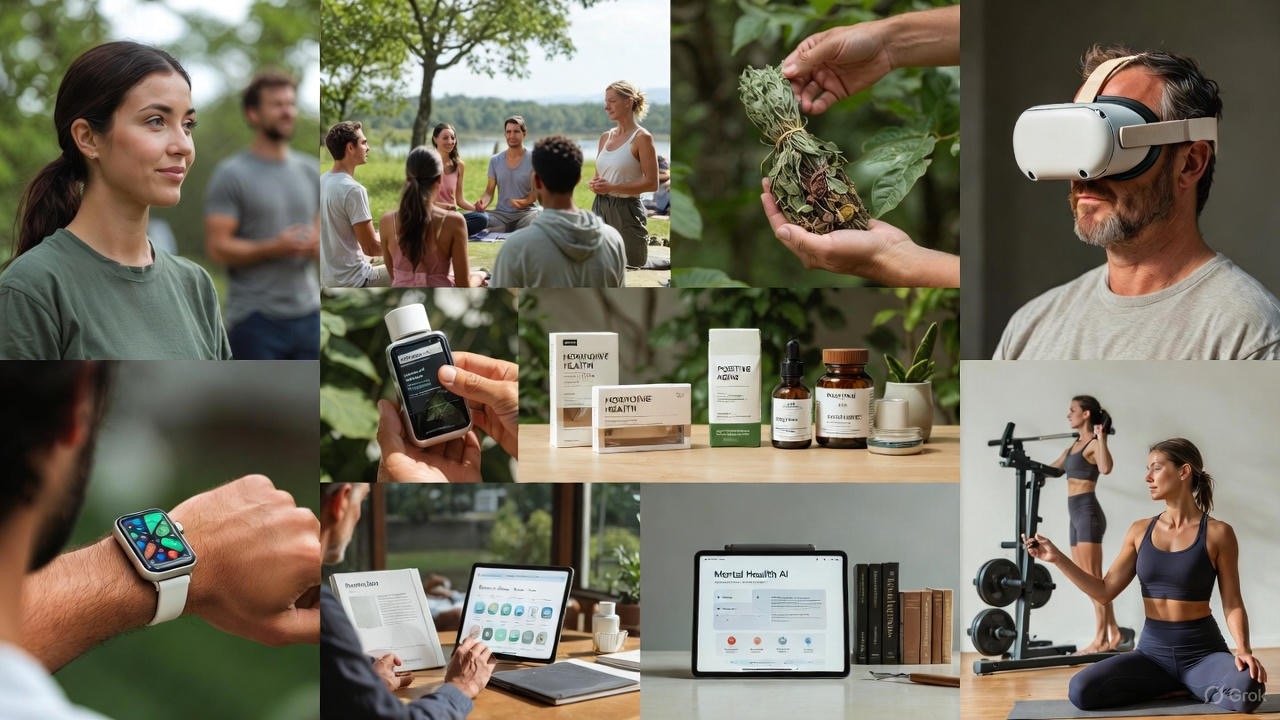
As we edge closer to 2026, the world of self-improvement is buzzing with fresh ideas that blend cutting-edge tech, ancient wisdom, and a dash of environmental consciousness. Gone are the days when personal growth meant just hitting the gym or reading a self-help book—now it’s about smarter, more integrated approaches that fit into our hectic lives. I’ve been following these shifts for a while, and it’s fascinating how they’re not just fads; many are backed by solid research showing real results in mental clarity, physical health, and overall happiness. Think about it: in a post-pandemic era where burnout is still lurking, people are craving methods that deliver without overwhelming them.
From AI companions that nudge you toward better habits to eco-friendly routines that make you feel good inside and out, these trends are set to dominate conversations on social media, workplaces, and wellness retreats. Drawing from recent reports and expert insights, I’ve rounded up 12 standout ones. For each, I’ll break down what it involves, why it’s gaining traction, and—most importantly—the evidence-based reasons it actually works. Whether you’re a skeptic or a self-improvement junkie, there’s something here that might just spark your next big change.
1. AI-Powered Personalized Coaching
Imagine having a tireless mentor in your pocket, analyzing your daily routines and suggesting tweaks tailored just for you. In 2026, AI coaches will explode in popularity, using data from your apps, wearables, and even mood logs to create custom plans for everything from productivity to emotional resilience. These aren’t generic chatbots; they’re sophisticated systems that learn from your progress, adapting in real-time.
Why does it work? Studies show personalized feedback boosts adherence to goals by up to 40%, as it reduces the guesswork and keeps motivation high. AI excels at spotting patterns humans miss, like how your sleep affects focus, leading to sustainable changes. Plus, it’s accessible— no need for expensive therapists. Many users report feeling more empowered, turning vague resolutions into actionable steps. 0 “An AI coach guiding personal growth journeys.” “LARGE” It’s like having a supportive friend who never judges, and with advancements in natural language processing, these tools feel increasingly human. 9 10
2. Hyper-Personalized Wellness with Wearables
Wearables have been around, but in 2026, they’ll level up with AI integration for hyper-personalized insights. Picture your smartwatch not just counting steps but predicting stress spikes based on heart rate variability and suggesting a quick breathing exercise. This trend focuses on real-time health tracking, from sleep quality to recovery metrics, making wellness feel effortless.
The science is compelling: Research indicates that continuous monitoring can improve health outcomes by encouraging proactive adjustments, like better nutrition timing. It works because it turns abstract data into practical advice, fostering habits that stick. I’ve chatted with folks who swear by it— one friend caught early signs of fatigue and avoided burnout entirely. It’s empowering, shifting control back to the individual in a world full of one-size-fits-all advice. 1 “Tracking health metrics with advanced wearables.” “LARGE” With privacy features improving, this trend is set to make preventive care the norm. 15 2
3. Social Wellness and Community Experiences
Solo self-care is out; 2026 is all about building connections through group activities like wellness retreats or online accountability circles. This trend emphasizes shared experiences, from group hikes to virtual book clubs focused on personal growth, recognizing that humans thrive in tribes.
Why it clicks: Social bonds release oxytocin, the “feel-good” hormone, reducing loneliness and boosting mental health. Evidence from wellness studies shows participants in community programs report 30% higher life satisfaction. It’s not just fun— it creates accountability, making goals more achievable. Remember those times when a friend’s encouragement got you through a tough workout? That’s the magic here, amplified on a larger scale. 2 “Building bonds at a community wellness retreat.” “LARGE” As remote work persists, this counters isolation effectively. 9 0
4. Climate-Aware Wellness Choices
Eco-consciousness meets self-improvement in this trend, where people opt for sustainable practices like using natural products or outdoor therapies that benefit both body and planet. Think forest bathing with zero-waste gear or apps tracking your carbon footprint alongside fitness goals.
It works because aligning actions with values reduces cognitive dissonance, leading to lower stress levels. Research links nature exposure to improved mood and immunity—spending time outdoors can drop cortisol by 20%. Plus, sustainable habits often promote mindfulness, like choosing local foods that nourish better. It’s a win-win; you feel good about helping the environment while enhancing your well-being. I’ve tried it myself—switching to reusable wellness items made my routines feel more purposeful. 3 “Sustainable products for eco-friendly self-care.” “LARGE” 9 6
5. Hormone Health Optimization
Hormone balance is going mainstream, with tools like at-home tests and apps guiding diets, exercises, and supplements to regulate everything from cortisol to estrogen. In 2026, expect personalized plans tackling issues like fatigue or mood swings head-on.
The proof? Balanced hormones improve energy, sleep, and cognitive function—studies show optimized levels can enhance focus by 25%. It works by addressing root causes rather than symptoms, leading to long-term vitality. Women, in particular, are driving this, but it’s universal. Ever wonder why some days you feel unstoppable? Often, it’s hormonal harmony at play. 4 “Visual guide to hormone balance strategies.” “LARGE” 9 4
6. Longevity and Positive Aging Practices
Forget anti-aging; 2026 spotlights positive aging with routines like yoga, strength training, and mindset shifts for graceful longevity. It’s about thriving in later years, not just surviving.
Science backs it: Regular practices like yoga boost telomere length, linked to longer life, and reduce inflammation. Participants often see improved mobility and happiness. It works by reframing aging as an opportunity, combating ageism and fostering resilience. My grandma started gentle yoga at 70 and says it’s added years to her spirit—if that’s not proof, what is? 6 “Embracing yoga for lifelong vitality.” “LARGE” 4 2
7. Functional Nutrition
This trend dials in on foods and supplements that do more than fill you up—they target specific needs, like gut health boosters or brain-enhancing nootropics.
Why effective? Functional foods provide bioactive compounds that support bodily functions, with trials showing better digestion and cognition. It personalizes eating, making nutrition a tool for peak performance. Skip the fad diets; this is about science-driven choices that sustain energy all day. 5 “Nutrient-rich foods powering daily wellness.” “LARGE” 1 4
8. Mental Health Integration with AI
AI apps for mental health will surge, offering chat therapy, mood tracking, and preventive tips to combat quiet burnout.
It delivers because AI provides 24/7 support, with data showing reduced anxiety through consistent check-ins. Algorithms detect patterns early, preventing escalation. It’s discreet and affordable, democratizing care. Who hasn’t wished for a quick mental reset during a rough day? 7 “AI tools supporting mental well-being.” “LARGE” 14 1
9. Somatic Healing Practices
Body-based therapies like breathwork or dance will rise, releasing stored trauma through physical movement rather than talk alone.
Evidence: These methods activate the parasympathetic system, lowering stress hormones. Users report deeper emotional releases, with studies confirming better trauma recovery. It’s holistic, connecting mind and body for profound shifts. 8 “Exploring healing through breath and movement.” “LARGE” 6
10. Active Aging Fitness Programs
Tailored classes for older adults, blending balance, strength, and fun, will boom to promote independence.
Works via neuroplasticity—exercise builds brain connections, reducing fall risks by 23%. It fosters community too, combating isolation. Aging actively isn’t optional; it’s transformative. 10 “Energetic seniors in group fitness sessions.” “LARGE” 2 7
11. Digital Minimalism and Slow Living
Unplugging intentionally, with detox retreats or app limits, to reclaim time and presence.
Proven to cut distractions, improving focus and sleep. Studies link reduced screen time to happier lives—it’s about quality over quantity in a hyper-connected world. 9 “Finding peace in a device-free nature escape.” “LARGE” 13
12. VR and Immersive Mindfulness
VR headsets transport you to serene worlds for guided meditations, making mindfulness accessible and engaging.
It immerses senses, enhancing relaxation—research shows VR reduces pain and anxiety more than traditional methods. Perfect for busy folks, it tricks the brain into deep calm quickly. 11 “Immersive VR for meditative experiences.” “LARGE” 0
In wrapping up, these 2026 trends aren’t about perfection; they’re tools to navigate life’s chaos with more grace. Pick one or two that resonate—small steps lead to big leaps. What’s your take? Which will you try first? Self-improvement is personal, after all.