Category: Lifestyle & Personal Development

Transform your daily life with practical advice on productivity, relationships, and personal growth:

Productivity Systems & time management
Goal Setting & habit formation
Mindset Training & limiting belief removal
Career Development & professional growth
Relationships & communication skills
Minimalism & intentional living

Perfect for: Professionals seeking work-life balance, students building success habits, and anyone wanting to level up their life.

Usage Tips for These Descriptions:

PlatformCharacter LimitRecommended EditsHomepage150-200 charsShorten to 1-2 sentencesCategory Page300-500 charsUse full descriptionMeta Description155 charsExtract key benefitsSocial Media280 charsAdd emojis & hashtagsEmail NewsletterUnlimitedExpand with bullet points
SEO-Optimized Meta Descriptions (155 chars):
textFinance: “Learn smart investing, budgeting & wealth building. Master your money with proven strategies for financial freedom.” (127 chars)

Health: “Transform your health with nutrition, fitness & wellness tips. Science-backed strategies for weight loss & mental health.” (124 chars)

Food: “Easy, delicious recipes for every occasion. Quick dinners, healthy breakfasts & desserts. Elevate your cooking today!” (113 chars)

Money: “Build online income with affiliate marketing, freelancing & e-commerce. Proven strategies for digital entrepreneurs.” (115 chars)

Lifestyle: “Boost productivity, build better habits & achieve your goals. Personal development for work-life balance & success.” (118 chars)
These descriptions are designed to:

Convert visitors with clear value propositions
Rank well with relevant keywords
Engage readers with specific benefits
Build authority in each niche
Drive affiliate clicks and product sales

  • Relationships & Boundaries

    Relationships & Boundaries


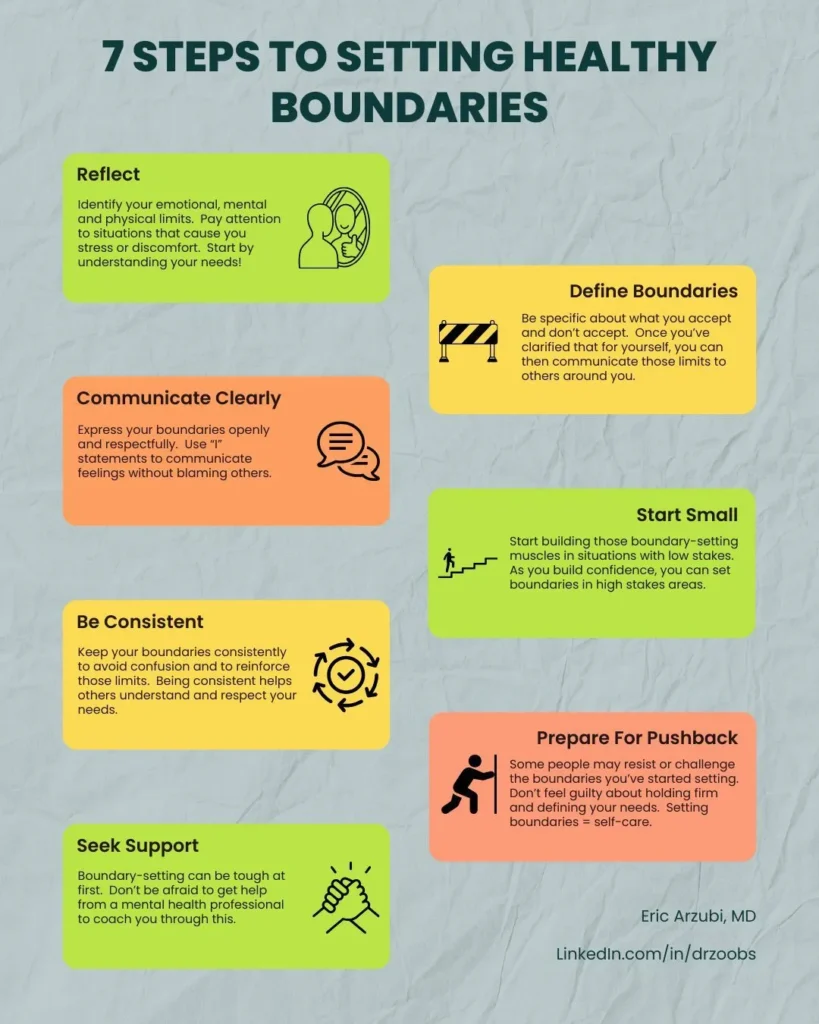
    Relationships are a big part of life.

    👉 how you show up in relationships often comes down to your boundaries

    Not just what you say yes to…
    but what you allow, tolerate, and accept.

    And when boundaries aren’t clear, it can lead to:

    • feeling drained
    • overgiving
    • frustration that builds over time

    This isn’t about pushing people away.

    It’s about protecting your energy while still staying connected.


    What Boundaries Actually Mean

    Boundaries aren’t rules for other people.

    They’re:

    👉 standards for what you allow in your life

    They help you:

    • protect your time
    • protect your energy
    • stay aligned with yourself

    Without needing to control anyone else.


    📊 No Boundaries vs Healthy Boundaries

    No BoundariesHealthy Boundaries
    Overextending yourselfRespecting your limits
    Saying yes to everythingChoosing intentionally
    Feeling drainedFeeling balanced
    Avoiding conflictCommunicating clearly

    🧠 Why Setting Boundaries Feels Hard

    Not because you can’t do it.

    But because:

    • you don’t want to disappoint people
    • you’re used to putting others first
    • you feel guilty saying no

    So instead, you:
    👉 say yes… even when you don’t want to

    And that builds quiet resentment over time.


    🌱 How Healthy Boundaries Actually Look

    Not extreme.
    Not aggressive.

    Just clear and steady.


    🗣️ 1. Being Honest About What You Can Handle

    • Instead of automatically saying yes, you pause and consider your time, energy, and capacity
    • You respond in a way that reflects what’s actually realistic for you, not what feels expected
    • This helps you avoid overcommitting and feeling overwhelmed later

    ⏸️ 2. Giving Yourself Time Before Responding

    • You don’t have to answer everything immediately
    • Taking a moment allows you to think clearly instead of reacting out of pressure
    • This creates space to respond in a way that respects both you and the situation

    ⚖️ 3. Not Explaining Yourself Excessively

    • You don’t need long justifications for your decisions
    • A clear and respectful response is enough
    • Over-explaining often comes from guilt, not necessity

    🔄 4. Recognizing When Something Feels Off

    • Your body and emotions often signal when something isn’t right
    • Ignoring that feeling leads to discomfort building over time
    • Paying attention helps you adjust earlier instead of later

    💰 Let’s Be Real About Life & Relationships

    Not every situation is easy.

    Some relationships:

    • are important
    • are complicated
    • require balance

    And that’s real.

    This isn’t about cutting people off quickly.

    It’s about:
    👉 making small adjustments that protect your well-being

    ⚖️ Balance Over Perfection

    Some days you’ll set clear boundaries.
    Some days you won’t.

    That’s part of learning.

    👉 You’re not trying to get it perfect
    👉 You’re learning how to show up in a way that feels better for you
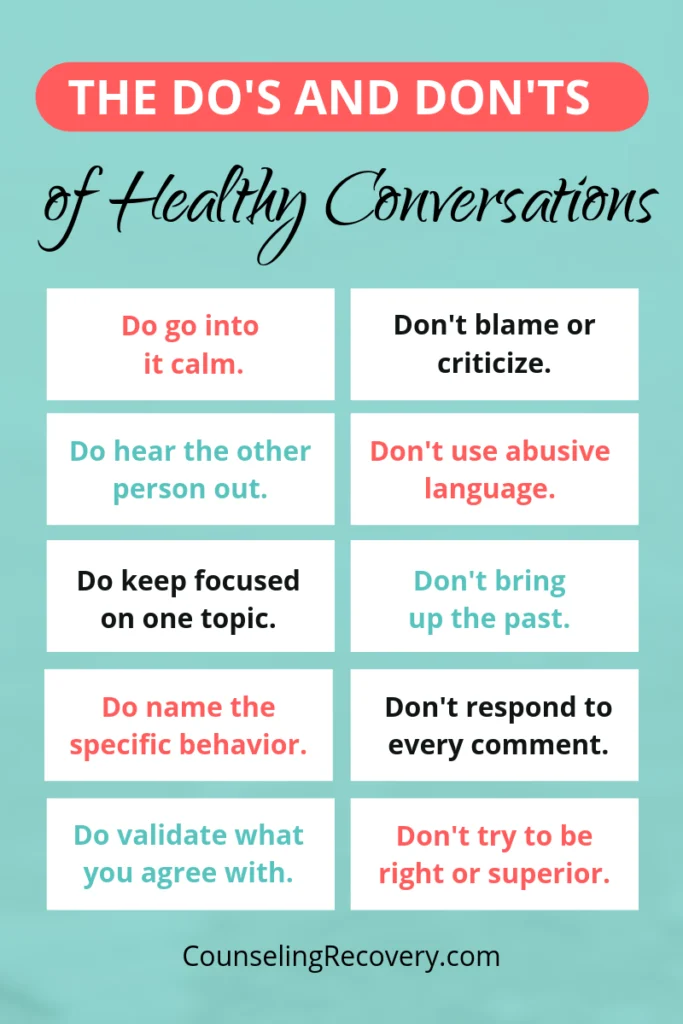

    Simple Example

    Instead of:

    • “I guess I’ll do it”

    Try:

    • “Let me think about it and get back to you”

    That small pause changes everything.


    🔥 Final Thought

    Boundaries aren’t about pushing people away.

    They’re about:

    • respecting yourself
    • protecting your energy
    • creating healthier relationships over time

    Because the way you show up for yourself…

    shapes how you show up for others.


    🔥 The Overall Message

    You’re not trying to control people

    you’re learning how to show up in a way that respects you

    Even:

    • one honest response
    • one pause
    • one small boundary

    can change how your relationships feel


    Keep in Mind

    You don’t need perfect boundaries

    you just need clearer ones than before

    one situation at a time
  • 📚 Quiet Discipline & Consistency📚 (Real, Steady & Actually Sustainable)

    📚 Quiet Discipline & Consistency📚 (Real, Steady & Actually Sustainable)


    Most people think discipline looks loud.

    Early mornings.
    Extreme routines.
    Pushing through everything.

    But real discipline doesn’t always look like that.

    👉 Sometimes it looks quiet.

    Small actions.
    No announcements.
    No pressure to prove anything.

    Just showing up — consistently.


    What “Quiet Discipline” Really Means

    Quiet discipline is simple:

    👉 doing what needs to be done… without needing motivation or recognition

    Not forcing intensity
    Not relying on hype

    Just steady, repeated effort over time.


    📊 Loud Discipline vs Quiet Discipline

    Loud DisciplineQuiet Discipline
    Intense burstsSteady actions
    Motivation-drivenHabit-driven
    Easy to burn outEasier to sustain
    Focus on imageFocus on consistency

    🧠 Why Consistency Beats Intensity

    Big effort feels productive.

    But consistency is what actually builds results.

    Because:

    • small actions repeat
    • repetition compounds
    • habits become automatic

    👉 what you do regularly matters more than what you do occasionally


    🌱 How Quiet Discipline Builds Over Time

    Not through pressure.

    Through small, repeatable actions.


    🔁 1. Showing Up Even When You Don’t Feel Like It

    • Not every day will feel motivated, and that’s normal
    • Quiet discipline is choosing to show up anyway, even if the effort is small
    • Those “low-energy” days are often the ones that build real consistency

    🧠 2. Making Things Easier to Stick To

    • Overcomplicated plans lead to inconsistency
    • Simpler actions are easier to repeat daily
    • Reducing friction helps you stay consistent without relying on willpower

    ⚖️ 3. Letting Imperfect Days Count

    • Missing perfection doesn’t mean losing progress
    • Doing something small is still better than doing nothing
    • Consistency is built by continuing, not restarting

    🔄 4. Repeating the Basics Without Overthinking

    • You don’t need new strategies every day
    • The basics work when you stick to them
    • Repetition creates results, even when it feels simple

    💰 Let’s Be Real About Life & Energy

    Not everyone has:

    • perfect routines
    • unlimited time
    • high energy every day

    And that’s real.

    So instead of aiming for perfect discipline:

    👉 aim for consistent effort within your reality

    Even small effort counts.


    ⚖️ Balance Over Perfection

    Some days you’ll do more.
    Some days you’ll do less.

    That’s part of it.

    👉 You’re not trying to be perfect
    👉 You’re trying to stay in motion


    Simple Example

    Instead of:

    • waiting to feel motivated

    Try:

    • doing a small version of the task

    That keeps the habit alive.


    🔥 Final Thought

    Discipline doesn’t have to be loud to be effective.

    It just has to be consistent.

    Because real progress is built quietly…

    through what you keep doing when no one is watching.


    🔥 The Overall Message

    You don’t need extreme effort

    you need repeated effort

    Even:

    • small actions
    • simple routines
    • showing up consistently

    creates real change over time


    Keep in Mind

    You don’t need to do everything

    you just need to keep going

    one step at a time

  • 🚫 Letting Go & “Detachment” (Real, Grounded & Actually Helpful)

    🚫 Letting Go & “Detachment” (Real, Grounded & Actually Helpful)


    Letting might be one of the hardest things to do.

    Holding on feels natural:

    • to outcomes
    • to people
    • to expectations
    • to how things “should” go

    And when things don’t go that way…

    you feel it.

    Stress.
    Frustration.
    Overthinking.

    👉 That’s where detachment comes in.

    Not as something cold or distant —
    but as something that gives you more control, not less.


    What Detachment Actually Means

    Detachment isn’t about not caring.

    It’s about:

    👉 caring without losing yourself in the outcome

    You still:

    • show up
    • put in effort
    • care about what you’re doing

    But you don’t let the result control your:

    • emotions
    • self-worth
    • peace of mind

    📊 Attached vs Detached

    AttachedDetached
    Outcome controls youYou stay steady
    Overthinking resultsFocus on actions
    Emotional highs/lowsMore stable
    Pressure to controlAbility to release

    🧠 Why Letting Go Feels So Difficult

    Not because you’re weak.

    But because:

    • you want certainty
    • you want things to work out
    • you’ve tied meaning to the outcome

    So your mind tries to hold on tighter.

    Even when it’s not helping.


    🌱 How Letting Go Actually Works

    Not all at once.

    But through small shifts in how you think and respond.


    🔄 1. Focus on What You Can Control

    • Your effort, your actions, your consistency — those are yours
    • Outcomes, timing, and other people’s responses are not
    • The more you shift your focus toward what’s in your control, the less pressure you feel

    🧠 2. Separate Effort from Outcome

    • You can do everything “right” and still not get the result immediately
    • That doesn’t mean you failed — it means outcomes don’t always move on your timeline
    • Detaching from results helps you stay consistent without burning out

    ⏸️ 3. Pause the Overthinking Loop

    • When your mind keeps replaying situations, it’s trying to create certainty
    • But more thinking doesn’t always lead to more clarity
    • Sometimes the best move is to step back instead of thinking more

    ⚖️ 4. Accept What You Can’t Force

    • Some things take time
    • Some things don’t go the way you planned
    • Accepting that reality reduces resistance and internal stress

    💰 Let’s Be Real About Life & Pressure

    Not everything is easy to let go of.

    Some things matter deeply.

    Some situations feel heavy.

    And that’s real.

    This isn’t about pretending you don’t care.

    It’s about:
    👉 not letting everything control how you feel

    Even small moments of letting go make a difference.


    ⚖️ Balance Over Perfection

    Some days you’ll feel detached.
    Some days you won’t.

    That’s normal.

    👉 You’re not trying to be unaffected
    👉 You’re learning how to stay grounded


    Simple Example

    Instead of:

    • “Why isn’t this working?”

    Shift to:

    • “Did I do what I could today?”

    Then leave the rest.


    🔥 Final Thought

    Letting go doesn’t mean giving up.

    It means:

    • releasing what you can’t control
    • staying steady in what you can

    Because peace doesn’t come from controlling everything…

    It comes from not needing to.


    🔥 The Overall Message

    You’re not trying to stop caring

    you’re learning how to care without losing your balance

    Even:

    • one moment of release
    • one step back
    • one shift in focus

    can change how you feel


    Keep in Mind

    You don’t have to let go of everything

    just a little more than before

    one moment at a time

  • Emotional Intelligence & Self-Awareness (Real, Grounded & Actually Useful)

    Emotional Intelligence & Self-Awareness (Real, Grounded & Actually Useful)


    Most people try to control their actions. What really drives those actions…
    is how they feel.

    Stress.
    Frustration.
    Overthinking.
    Reactions you didn’t plan.

    And if you don’t understand that part…

    you end up reacting instead of choosing.

    👉 That’s where emotional intelligence comes in.

    Not as something complicated —
    but as something practical and everyday.


    What Emotional Intelligence Actually Means

    It’s not about being overly emotional.

    It’s about:

    👉 understanding what you feel, and knowing what to do with it

    That includes:

    • noticing your emotions
    • understanding where they come from
    • responding instead of reacting

    📊 Reactive vs Aware

    ReactiveSelf-Aware
    Immediate reactionsPaused responses
    Controlled by emotionGuided by awareness
    Overthinking afterClarity during
    Impulsive decisionsIntentional choices

    🧠 Why Most People Struggle With This

    Not because they can’t.

    But because:

    • they were never taught to notice their emotions
    • they learned to ignore or push things down
    • they move too fast to check in with themselves

    So emotions build up…
    then come out all at once.


    🌱 How Self-Awareness Actually Builds

    Not through deep analysis.

    Through small, consistent noticing.


    🧠 1. Recognizing What You’re Feeling (In Real Time)

    • Instead of pushing past it, pause and ask yourself what’s actually going on inside
    • It might be frustration, stress, pressure, or something underneath that isn’t obvious at first
    • Simply naming the emotion reduces its intensity and gives you more control

    ⏸️ 2. Creating Space Before You React

    • Most reactions happen quickly, without thinking
    • Even a short pause gives you the ability to choose your response instead of defaulting to habit
    • That space is where emotional control starts to develop

    🔍 3. Understanding the “Why” Behind Your Reactions

    • Emotions usually come from something deeper — not just the moment itself
    • A small situation can trigger a bigger response based on past experiences or built-up stress
    • Noticing patterns over time helps you understand yourself more clearly

    🔄 4. Letting Emotions Exist Without Immediately Fixing Them

    • Not every feeling needs to be solved right away
    • Trying to “fix” everything quickly can create more pressure
    • Sometimes, allowing yourself to feel something fully helps it pass more naturally

    💰 Let’s Be Real About Life & Pressure

    Not everyone has:

    • time to reflect constantly
    • space to process everything
    • perfect emotional control

    And that’s normal.

    This isn’t about becoming perfectly calm all the time.

    It’s about:
    👉 becoming a little more aware than before

    Even small awareness changes how you respond.


    ⚖️ Balance Over Perfection

    Some days you’ll react quickly.
    Some days you’ll catch it.

    That’s part of the process.

    👉 You’re not trying to control everything
    👉 You’re learning how to understand yourself better


    Simple Example

    Instead of:

    • reacting immediately

    Try:

    • “What am I feeling right now?”
    • “Do I need to respond right away?”

    Even that small pause changes things.


    🔥 Final Thought

    You don’t need to eliminate emotions.

    You need to understand them.

    Because the more aware you are…

    the more control you actually have.

    Not by forcing it —
    but by seeing clearly.


    🔥 The Overall Message

    You’re not trying to feel less

    you’re learning how to understand what you feel

    Even:

    • one pause
    • one moment of awareness
    • one thoughtful response

    can shift how you handle situations


    Keep in Mind

    You don’t need perfect control

    you just need more awareness than before

    one moment at a time

  • 🧠 Identity Shifts & “Becoming Your Best Self” (Real, Grounded & Actually Sustainable)

    🧠 Identity Shifts & “Becoming Your Best Self” (Real, Grounded & Actually Sustainable)


    Most people try to change their habits first. But real change usually doesn’t start there.

    Wake up earlier.
    Be more disciplined.
    Stay consistent.

    It starts with identity.

    👉 Who you see yourself as shapes what you do

    Because if your actions don’t match how you see yourself…

    they don’t last.


    What an Identity Shift Really Means

    An identity shift isn’t becoming a completely new person.

    It’s:

    👉 updating how you see yourself — little by little

    Not forcing change
    Not pretending

    Just aligning your actions with the version of you you’re growing into.


    📊 Action-Based Change vs Identity-Based Change

    Action-BasedIdentity-Based
    “I need to be more disciplined”“I’m someone who follows through”
    Short-term effortLong-term alignment
    Feels forcedFeels natural over time
    Easy to fall offEasier to maintain

    🧠 Why Most People Stay Stuck

    It’s not because they’re lazy.

    It’s because:

    • they’re trying to act like someone they don’t believe they are
    • they rely on motivation instead of identity
    • they expect instant change instead of gradual shifts

    So the cycle repeats:
    👉 start → stop → restart


    🌱 How Identity Shifts Actually Happen

    Not in one big moment.

    But through small, repeated proof.


    🔁 1. Small Actions That Reinforce Who You’re Becoming

    • When you follow through on something small, you’re sending yourself evidence
    • Even basic actions like showing up, finishing something, or staying consistent for one day matter
    • Over time, these small wins start to change how you see yourself, not just what you do

    🧠 2. Changing the Way You Talk to Yourself

    • The words you use internally shape your identity more than you realize
    • Saying “I always mess up” keeps you stuck in that version of yourself
    • Shifting to “I’m working on becoming more consistent” creates space for growth without pressure

    ⚖️ 3. Letting Go of All-or-Nothing Thinking

    • Many people quit because they think one mistake means failure
    • But identity isn’t built on perfection — it’s built on returning after you fall off
    • Staying in the process, even imperfectly, is what actually builds a stronger version of you

    🔄 4. Acting Like the Person You’re Becoming (Even in Small Ways)

    • You don’t need to fully become that person overnight
    • You just need to take small actions that match that identity
    • The more you act in alignment, the more natural it starts to feel

    💰 Let’s Be Real About Life & Pressure

    Not everyone has:

    • perfect routines
    • unlimited time
    • full control over their environment

    And that matters.

    So this isn’t about changing everything overnight.

    It’s about:
    👉 making small identity-aligned choices when you can

    Even small shifts still count.


    ⚖️ Balance Over Perfection

    Some days you’ll show up.
    Some days you won’t.

    That’s normal.

    👉 You’re not trying to prove anything
    👉 You’re building something over time


    Simple Example

    Instead of:

    • “I need to change my whole life”

    Think:

    • “What would the version of me I respect do right now?”

    Then do a small version of that.

    That’s how identity builds.


    🔥 Final Thought

    You don’t become your best self all at once.

    You become them through:

    • small choices
    • repeated actions
    • quiet consistency

    It’s less about forcing change…
    and more about becoming someone you recognize over time


    🔥 The Overall Message

    You’re not trying to be perfect

    you’re learning how to become someone you trust

    Even:

    • one small action
    • one better decision
    • one moment of follow-through

    starts to reshape how you see yourself


    Keep in Mind

    You don’t need to rush the process

    you just need to stay in it

    one step at a time