Author: 999viral.com

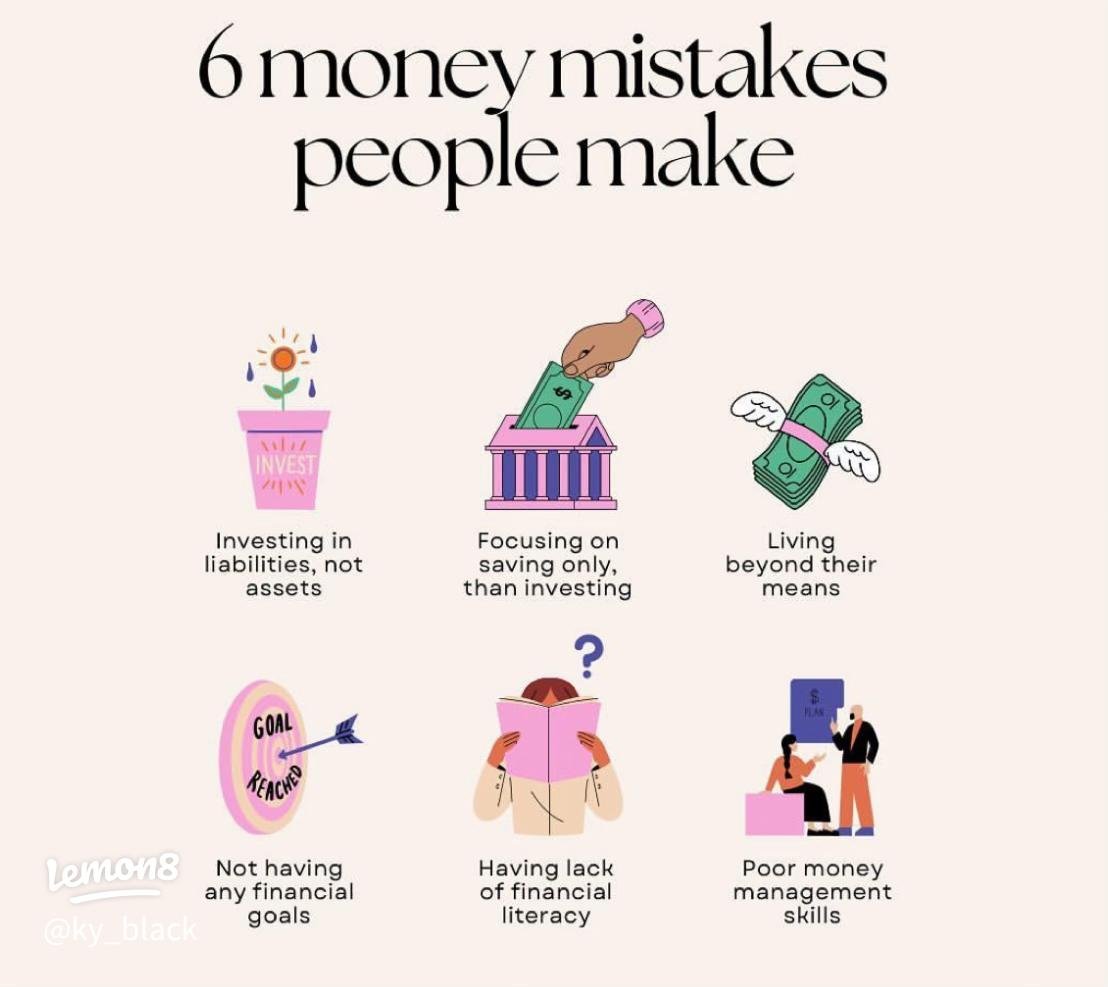
  • ๐Ÿ’ธ ๐Ÿ‘‰ 10 Money Mistakes That Are Holding You Back (And How to Fix Them)

    ๐Ÿ’ธ ๐Ÿ‘‰ 10 Money Mistakes That Are Holding You Back (And How to Fix Them)

    Discover 10 common money mistakes that may be holding you back โ€” and simple, realistic ways to fix them without overcomplicating your finances.


    Most money problems donโ€™t come from one big mistake.

    They come from small habits that repeat over time.

    Things that feel normalโ€ฆ
    but quietly slow your progress.

    ๐Ÿ‘‰ Thatโ€™s where people get stuck.

    This isnโ€™t about being perfect with money.

    Itโ€™s about noticing whatโ€™s not working โ€”
    and making small changes that actually help.


    โšก Where Most People Go Wrong

    Itโ€™s usually not about income alone.

    Itโ€™s about:

    • habits
    • awareness
    • decisions made daily

    And once you see it clearlyโ€ฆ

    you can start changing it.


    ๐Ÿ’ธ 10 Money Mistakes (And Simple Fixes)


    ๐Ÿ’ณ 1. Not Tracking Where Your Money Goes

    • Money disappears without awareness
    • Small spending adds up quickly

    ๐Ÿ‘‰ Fix:

    • Check your spending weekly
    • You donโ€™t need perfection โ€” just awareness

    ๐Ÿ›๏ธ 2. Impulse Spending

    • Buying without thinking
    • Often unnecessary long-term

    ๐Ÿ‘‰ Fix:

    • Pause before buying
    • Ask: โ€œDo I actually need this?โ€

    ๐Ÿ“บ 3. Paying for Things You Donโ€™t Use

    • Subscriptions, apps, memberships
    • Easy to forget, but still charging

    ๐Ÿ‘‰ Fix:

    • Review monthly
    • Cancel what you donโ€™t use

    ๐Ÿ” 4. Overspending on Convenience

    • Eating out, delivery, quick purchases
    • Adds up fast

    ๐Ÿ‘‰ Fix:

    • Reduce, not remove
    • Swap some habits, not all

    ๐Ÿ’ฐ 5. Not Saving Anything

    • Waiting until you have โ€œmoreโ€
    • Never starting

    ๐Ÿ‘‰ Fix:

    • Start small
    • Even a little builds the habit

    โณ 6. Waiting for the โ€œRight Timeโ€

    • Delaying action
    • Staying stuck

    ๐Ÿ‘‰ Fix:

    • Start with what you have
    • Small steps still count

    โš–๏ธ 7. Increasing Spending as Income Grows

    • Lifestyle inflation
    • More money, same situation

    ๐Ÿ‘‰ Fix:

    • Keep some expenses stable
    • Let extra income build, not disappear

    ๐Ÿง  8. Not Thinking Long-Term

    • Focusing only on now
    • Missing future impact

    ๐Ÿ‘‰ Fix:

    • Think beyond today
    • Small decisions shape long-term results

    ๐Ÿ”„ 9. Starting and Stopping Repeatedly

    • Inconsistent habits
    • No momentum

    ๐Ÿ‘‰ Fix:

    • Keep it simple
    • Focus on consistency, not intensity

    ๐Ÿ›‘ 10. Avoiding Money Conversations or Awareness

    • Ignoring finances
    • Hoping things improve

    ๐Ÿ‘‰ Fix:

    • Face it simply
    • Awareness creates control

    ๐Ÿ“Š Small Changes Add Up

    Small ChangeLong-Term Impact
    Saving a littleBuilds over time
    Reducing wasteMore control
    Better decisionsMore stability

    ๐Ÿ‘‰ Small shifts = real results


    ๐Ÿ’ฐ Letโ€™s Be Real About Money

    Not everyone has:

    • extra income
    • perfect habits
    • ideal conditions

    And thatโ€™s normal.

    This isnโ€™t about fixing everything overnight.

    ๐Ÿ‘‰ itโ€™s about improving step by step


    โš–๏ธ Balance Over Perfection

    Some months will be better than others.
    Some choices wonโ€™t be perfect.

    Thatโ€™s part of it.

    ๐Ÿ‘‰ Youโ€™re not trying to get everything right
    ๐Ÿ‘‰ Youโ€™re trying to do better than before


    โšก Simple Starting Point

    Pick 1โ€“2 mistakes from this list.

    Focus there.

    Thatโ€™s enough.


    ๐Ÿ”ฅ Final Thought

    Money improves when your habits improve.

    Not instantly.

    But consistently.

    And once you start paying attentionโ€ฆ

    things begin to shift.


    ๐Ÿ”ฅ The Overall Message

    You donโ€™t need to fix everything

    you just need to fix what you can

    Even:

    • one better decision
    • one reduced habit
    • one small change

    can move you forward


    โšก Keep in Mind

    Itโ€™s not about being perfect

    itโ€™s about being more aware than before

    one decision at a time

  • ๐Ÿ’ฐ How to Build Wealth Starting With Just $10: 10 Proven Steps to Long-Term Financial Freedom

    ๐Ÿ’ฐ How to Build Wealth Starting With Just $10: 10 Proven Steps to Long-Term Financial Freedom


    By 999Viral.com

    “Small beginnings often lead to extraordinary results when paired with consistency.”


    ๐ŸŒฑ If someone handed you $10 today, what would you do with it?

    Buy lunch?

    Order coffee?

    Spend it without thinking?

    Most people don’t believe $10 could change their financial future.

    They’re right…

    $10 alone won’t make you wealthy.

    But the habit that starts with $10 absolutely can.

    That’s the difference.

    Many people believe wealth belongs to people who:

    • Earn six figures ๐Ÿ’ผ
    • Have rich parents ๐Ÿก
    • Started investing decades ago ๐Ÿ“ˆ
    • Got lucky ๐Ÿ€

    While those advantages certainly help, they are not the only path to building wealth.

    Research in behavioral finance consistently shows that financial habits, long-term planning, increasing income, disciplined spending, and consistent investing play a major role in long-term financial success.

    In other words…

    Wealth isn’t usually created by one giant decision.

    It’s built through thousands of small ones.


    โš ๏ธ The Biggest Myth About Wealth

    One of the biggest financial myths is this:

    “I’ll start investing once I have more money.”

    Unfortunately…

    That day often never comes.

    When income increases…

    Lifestyle usually increases too.

    A nicer apartment.

    A newer car.

    More subscriptions.

    Better vacations.

    Before long…

    the extra income disappears.

    This is known as lifestyle inflation, and it quietly prevents many people from building wealth.

    The people who build wealth aren’t necessarily those who earn the most.

    They’re often the people who consistently keep part of what they earn and allow it to grow over time.


    ๐Ÿ“Š The Wealth Formula

    Most people think wealth looks like this:

    More Money
          โ†“
    More Wealth
    

    In reality…

    It usually looks more like this:

    Earn Money ๐Ÿ’ผ
          โ†“
    Spend Less Than You Earn ๐Ÿ’ฐ
          โ†“
    Save Consistently ๐Ÿฆ
          โ†“
    Invest Regularly ๐Ÿ“ˆ
          โ†“
    Repeat for Years ๐Ÿ”
          โ†“
    Build Wealth ๐ŸŒณ
    

    Simple?

    Yes.

    Easy?

    Not always.


    ๐Ÿ“‹ What Does “Starting With Nothing” Actually Mean?

    For most people…

    “Nothing” doesn’t literally mean having zero dollars.

    It usually means starting with one or more of these:

    โœ… Living paycheck to paycheck

    โœ… No investing experience

    โœ… Little or no savings

    โœ… Student loans

    โœ… Credit card debt

    โœ… Feeling financially overwhelmed

    If that’s where you are…

    You’re far from alone.

    Millions of financially successful people began from the exact same place.


    ๐Ÿ“ˆ Wealth Is Like Planting a Tree

    Imagine planting an oak tree.

    During the first year…

    Almost nothing seems to happen.

    The second year…

    Still not much.

    But beneath the surface…

    Roots are growing.

    Eventually…

    Those invisible roots support something enormous.

    Money works much the same way.

    Your first $10 isn’t important because of its size.

    It’s important because it establishes a habit.

    That habit eventually becomes discipline.

    Discipline becomes consistency.

    Consistency becomes wealth.


    ๐Ÿ“Š The Four Stages of Building Wealth

    ๐ŸŒฑ StageGoalFocus
    FoundationStop financial leaksBudgeting & awareness
    GrowthSave and increase incomeSkills & opportunities
    InvestmentPut money to workStocks, ETFs, retirement
    FreedomAssets generate incomeLong-term wealth

    Each stage builds upon the previous one.

    Skipping steps often creates financial instability later.


    ๐Ÿ’ก Wealth Is Built Through Habits

    Many people ask:

    “What’s the best investment?”

    A better question might be:

    “What habits create wealth?”

    Here’s why.

    Imagine two people.


    Person A

    ๐Ÿ’ฐ Earns $50,000

    Spends $49,500

    Saves consistently

    Invests every month

    Keeps improving skills


    Person B

    ๐Ÿ’ฐ Earns $90,000

    Spends $95,000

    Carries credit card debt

    Never invests

    Lives paycheck to paycheck


    Who becomes wealthier over time?

    Most people instinctively answer Person B because of the higher salary.

    But in many cases, Person A builds greater net worth because they consistently create assets instead of accumulating liabilities.

    Income matters.

    Habits determine what happens to that income.


    ๐Ÿง  Wealth Mindset Shift

    Replace these thoughts:

    โŒ “I’ll start later.”

    โŒ “I don’t make enough.”

    โŒ “Investing is only for rich people.”

    With these:

    โœ… “I’ll start where I am.”

    โœ… “Every dollar has a job.”

    โœ… “Small amounts become meaningful with consistency.”


    ๐Ÿš€ Before You Read the 10 Steps

    Don’t try to do everything today.

    Seriously.

    One of the biggest mistakes beginners make is trying to completely change their financial life overnight.

    Instead…

    Focus on improving 1% each week.

    If you save your first $10…

    that’s progress.

    If you cancel one unnecessary subscription…

    that’s progress.

    If you learn one new investing concept…

    that’s progress.

    Small wins create momentum.

    Momentum creates consistency.

    Consistency creates wealth.


    ๐Ÿ“Œ Keep in Mind

    You donโ€™t need perfect conditions

    you just need to start

    one step at a time

    The 10 Steps

    1. ๐Ÿ“Š Know Where Every Dollar Goes
    2. ๐Ÿ’ฐ Save Your First $10โ€“$100
    3. ๐Ÿšจ Build an Emergency Fund
    4. ๐Ÿ’ณ Eliminate High-Interest Debt
    5. ๐Ÿ’ผ Increase Your Income
    6. ๐Ÿ“ˆ Start Investing
    7. ๐Ÿ” Automate Good Financial Habits
    8. ๐Ÿšซ Avoid Lifestyle Inflation
    9. ๐Ÿง  Keep Learning About Money
    10. ๐ŸŒณ Stay Consistent for Years

    That sequence flows much better.


    ๐Ÿ’ฐ Step 1: Know Where Every Dollar Goes

    “You can’t improve what you don’t measure.”

    Before investing.

    Before saving.

    Before making more money…

    You need to know where your money is already going.

    This is the foundation of every financial plan.

    Many people think they’re “bad with money.”

    Often, they simply don’t know where it goes.

    A few dollars here.

    A subscription there.

    Coffee every morning.

    Food delivery.

    Impulse purchases.

    Individually they seem small.

    Together they can quietly consume hundredsโ€”or even thousandsโ€”of dollars each year.


    ๐Ÿ“Š Example Monthly Spending

    ExpenseMonthly
    โ˜• Coffee$80
    ๐Ÿ• Food Delivery$140
    ๐Ÿ“บ Streaming$45
    ๐ŸŽฎ Apps & Games$35
    ๐Ÿš— Gas$160
    ๐Ÿ›’ Groceries$320

    Notice something?

    None of these purchases look outrageous by themselves.

    That’s why awareness matters.


    โœ… Action Step

    Track every dollar you spend for the next 30 days.

    Don’t judge yourself.

    Don’t try to be perfect.

    Just observe.

    There are many free budgeting apps, or you can simply use a spreadsheet or notebook.

    ๐Ÿ“Œ Goal: Understand your spending before trying to change it.


    ๐Ÿ’ก Quick Tip

    Instead of asking:

    “Can I afford this?”

    Ask:

    “Is this purchase helping future me?”

    That small mindset shift often changes spending decisions.


    ๐Ÿ’ฐ Step 2: Save Your First $10โ€“$100

    Many people think saving starts when they have “extra” money.

    The truth is…

    Saving starts when you decide that your future deserves to be paid first.

    Your first savings goal doesn’t need to be $1,000.

    It doesn’t even need to be $100.

    Start with $10.

    Why?

    Because the amount isn’t the goal.

    The habit is.

    Think of saving like exercising.

    One workout won’t transform your health.

    But repeating that workout every week eventually does.

    Money works the same way.


    ๐ŸŒฑ The Psychology of Saving

    Every time you saveโ€”even a small amountโ€”you reinforce a powerful message:

    “I am someone who keeps promises to my future self.”

    That identity matters more than the dollar amount.

    Research in behavioral economics suggests that people who automate and repeat positive financial habits are more likely to continue them over time than those who rely on motivation alone.


    ๐Ÿ“Š Small Amounts Add Up

    Weekly SavingsOne Year
    $10$520
    $20$1,040
    $50$2,600
    $100$5,200

    These figures don’t include any investment returnsโ€”they’re simply the result of saving consistently.

    The lesson isn’t that $10 will make you rich.

    It’s that consistency creates momentum.


    โœ… Challenge

    This week:

    • ๐Ÿ’ต Save your first $10.
    • ๐Ÿฆ Put it in a separate savings account.
    • ๐Ÿšซ Don’t touch it unless it’s a true emergency.

    Small wins build confidence.

    Confidence builds discipline.

    Discipline builds wealth.


    ๐Ÿšจ Step 3: Build Your Emergency Fund

    Life is unpredictable.

    Cars break down.

    Phones stop working.

    Medical bills appear.

    Unexpected expenses are inevitable.

    Without an emergency fund, many people rely on credit cards or loans, turning a temporary problem into long-term debt.

    An emergency fund acts as a financial buffer.

    It gives you options when life doesn’t go according to plan.


    ๐ŸŽฏ Your First Goal

    Don’t worry about saving six months of expenses immediately.

    Start with:

    • โœ… $100
    • โœ… Then $500
    • โœ… Then $1,000

    Once you’ve reached those milestones, continue building toward three to six months of essential living expenses if possible.

    Progress matters more than perfection.


    ๐Ÿ“Š Emergency Fund Milestones

    GoalPurpose
    ๐Ÿ’ต $100Small unexpected expenses
    ๐Ÿš— $500Minor car or home repairs
    ๐Ÿšจ $1,000Larger emergencies
    ๐Ÿก 3โ€“6 months of expensesGreater financial stability during major setbacks

    โš ๏ธ Why This Matters

    Imagine two people lose their jobs.

    Person A has no emergency savings and immediately begins relying on credit cards.

    Person B has several months of essential expenses saved and has more time to search for a suitable new job without taking on high-interest debt.

    The emergency fund doesn’t eliminate hardshipโ€”it provides flexibility and reduces financial pressure during difficult times.

    ๐Ÿ’ณ Step 4: Eliminate High-Interest Debt

    “Paying 25% interest while earning 8% investing is like trying to fill a bucket with a hole in the bottom.”

    Not all debt is equal.

    Some debt can help build wealth over time, while other debt quietly works against you.

    Generally speaking, high-interest debtโ€”such as many credit cardsโ€”is among the biggest obstacles to long-term financial growth because interest charges can compound rapidly.


    ๐Ÿ“Š Good Debt vs. Bad Debt

    ๐Ÿ’š Can Help Build Wealthโค๏ธ Often Slows Wealth Building
    Mortgage (manageable)High-interest credit card debt
    Student loans (depending on cost and earnings potential)Payday loans
    Business loans with a solid planBuy-now-pay-later overspending
    Low-interest investment loans (advanced situations)Financing unnecessary purchases

    ๐Ÿ’ก Tip: Focus first on paying off the debts with the highest interest rates while continuing to make at least the minimum payment on all required debts.


    ๐Ÿ“ˆ Why Interest Works Against You

    Imagine you carry a $5,000 credit card balance with a 25% annual interest rate.

    Every month you delay paying it off, interest continues to accumulate, making the balance more expensive over time.

    Meanwhile, many long-term stock market investors aim for returns that have historically averaged much lower than 25% annually over long periods.

    That’s why reducing expensive debt can sometimes provide a stronger guaranteed financial benefit than investing those same dollars first.


    โœ… Action Plan

    โ˜ List every debt.

    โ˜ Write the balance.

    โ˜ Write the interest rate.

    โ˜ Pay at least the minimum on every account.

    โ˜ Put any extra money toward the highest-interest balance first.

    Every payment moves you closer to keeping more of your future income.


    ๐Ÿ’ผ Step 5: Increase Your Income

    There is only so much you can cut from your budget.

    Eventually, the greatest opportunity for building wealth comes from earning more.

    Saving money is important.

    Growing your income creates new possibilities.

    Think about it this way.

    If you save $100 every month, that’s progress.

    But if you increase your income by $500 each month and continue living below your means, you’ve created much more room to save, invest, and build wealth.


    ๐Ÿ“Š Where More Income Can Come From

    ๐Ÿ’ผ Income SourcePotential Benefit
    Ask for a raiseHigher income without changing jobs
    Learn a new skillBetter career opportunities
    Change employersSalary growth
    FreelancingExtra monthly income
    Side hustleAdditional cash flow
    Start a businessLong-term wealth potential

    ๐Ÿ“ˆ The Income Ladder

    Entry-Level Job
            โ†“
    Learn New Skills
            โ†“
    Higher Paying Position
            โ†“
    Additional Income Streams
            โ†“
    Invest More Money
            โ†“
    Greater Wealth

    The goal isn’t simply to make more money.

    It’s to make more money without increasing your lifestyle at the same pace.


    ๐Ÿ’ก Ask Yourself

    Instead of asking:

    “How can I save another $10?”

    Also ask:

    “How can I earn another $100?”

    Sometimes increasing income has a much greater impact than cutting one more expense.


    ๐Ÿ“ˆ Step 6: Start Investingโ€”Even If It’s Only $10

    Many people believe investing is something you do after becoming wealthy.

    In reality…

    Investing is one of the ways many people build wealth over time.

    The earlier you begin, the more time your investments have the potential to grow.

    That doesn’t mean you need thousands of dollars.

    Today, many investment platforms allow people to begin with very small amounts.


    ๐ŸŒฑ Why Time Matters More Than Timing

    A common mistake is waiting for the “perfect” time to invest.

    No one consistently knows when markets will reach their highest or lowest points.

    Instead of trying to perfectly time the market, many long-term investors choose to invest consistently over time.

    This approach is often called dollar-cost averaging, where you invest a fixed amount on a regular schedule regardless of short-term market movements.


    ๐Ÿ“Š Example of Consistent Investing

    Monthly InvestmentYearsTotal Contributed
    $1010$1,200
    $2510$3,000
    $5010$6,000
    $10010$12,000

    These figures show contributions only and do not include investment gains or losses.


    ๐Ÿ“ˆ Why Compound Growth Matters

    Think of investing like planting a tree.

    At first, growth appears slow.

    Then something changes.

    As your investments potentially earn returns, those returns may also begin earning returns over time.

    This processโ€”known as compound growthโ€”is one reason many investors focus on long-term consistency instead of short-term excitement.


    ๐ŸŒณ The Power of Time

    Save $10
          โ†“
    Invest Consistently
          โ†“
    Potential Growth
          โ†“
    Reinvest Earnings
          โ†“
    Potential Long-Term Compounding
          โ†“
    Build Wealth

    The amount matters.

    But the time invested often matters even more.


    ๐Ÿšซ Common Beginner Mistakes

    โŒ Waiting until you “have enough money.”

    โŒ Trying to get rich quickly.

    โŒ Chasing social media investing trends.

    โŒ Investing money you may need next month.

    โŒ Panicking during market declines.


    โœ… Better Habits

    โœ”๏ธ Invest consistently.

    โœ”๏ธ Think long term.

    โœ”๏ธ Continue learning.

    โœ”๏ธ Diversify appropriately.

    โœ”๏ธ Review your goals regularly.


    ๐Ÿ“Œ Wealth Builder Challenge

    This week, complete at least one of these actions:

    • ๐Ÿ’ต Save your first $10.
    • ๐Ÿ“ฑ Open a brokerage or retirement account if appropriate for your situation.
    • ๐Ÿ“š Spend 30 minutes learning about investing basics.
    • ๐Ÿ’ณ Pay extra toward your highest-interest debt.
    • ๐Ÿ’ผ Learn one new skill that could increase your earning potential.

    None of these actions will make you wealthy overnight.

    But together, they create the habits that many financially successful people practice consistently.


    ๐ŸŒŸ Progress So Far

    You’ve now completed the first six building blocks of wealth:

    โœ… Track every dollar.

    โœ… Build the habit of saving.

    โœ… Create an emergency fund.

    โœ… Reduce high-interest debt.

    โœ… Increase your income.

    โœ… Begin investing consistently.

    At this stage, you’re no longer just protecting your financesโ€”you’re actively creating the conditions for long-term wealth.

    This is the final part. I’ve also strengthened it to make it more like a premium finance article instead of ending abruptly.


    ๐Ÿ” Step 7: Automate Your Wealth

    “Successful investing isn’t about remembering to saveโ€”it’s about making saving automatic.”

    One of the biggest reasons people fail to build wealth isn’t because they lack knowledge.

    It’s because life gets busy.

    Bills arrive.

    Unexpected expenses happen.

    Motivation fades.

    Automation removes emotion from the equation.

    Instead of deciding every month whether you’ll save or invest…

    …your system does it for you.


    ๐Ÿ’ก Automate These First

    โœ… Savings account

    โœ… Investment contributions

    โœ… Retirement contributions (if available)

    โœ… Bill payments

    โœ… Debt payments

    The less you rely on willpower…

    the more consistent you’ll become.


    ๐Ÿ“Š The Wealth Automation Loop

    ๐Ÿ’ฐ Get Paid
          โ†“
    ๐Ÿฆ Save Automatically
          โ†“
    ๐Ÿ“ˆ Invest Automatically
          โ†“
    ๐Ÿ’ต Repeat Every Paycheck
          โ†“
    ๐ŸŒณ Wealth Grows Over Time
    

    ๐Ÿšซ Step 8: Avoid Lifestyle Inflation

    One of the biggest enemies of wealth isn’t low income.

    It’s increasing your spending every time your income increases.

    This is called lifestyle inflation.

    Example:

    You receive a $500 monthly raise.

    Instead of investing it…

    you upgrade your apartment.

    Finance a newer car.

    Eat out more often.

    Buy more subscriptions.

    Six months later…

    your bank account hasn’t changed.

    Only your lifestyle has.


    ๐Ÿ“Š Raise vs Reality

    Income IncreaseWealth BuilderWealth Killer
    ๐Ÿ“ˆ +$500/monthInvest $300, Save $200Spend the full $500
    ๐Ÿ“ˆ +$1,000/monthIncrease investmentsUpgrade everything
    ๐Ÿ“ˆ BonusInvest a portionSpend it immediately

    ๐Ÿ’ก The 50% Rule

    Whenever your income increases…

    Consider saving or investing at least part of the increase before adjusting your lifestyle.

    For example:

    Raise = $400/month

    โžก๏ธ Invest $200

    โžก๏ธ Enjoy $200

    You improve your quality of life…

    without sacrificing your future.


    ๐Ÿง  Step 9: Invest in Yourself

    The highest-return investment isn’t always found in the stock market.

    Sometimes…

    it’s you.

    Learning valuable skills can increase your earning potential for years.

    Skills often produce returns that compound just like investments.


    ๐Ÿ“š High-Value Skills

    ๐Ÿ’ป Technology

    ๐Ÿ“ˆ Sales

    ๐Ÿค Communication

    ๐Ÿ“Š Project Management

    ๐ŸŽจ Marketing

    ๐Ÿค– AI Tools

    โœ๏ธ Writing

    ๐Ÿ’ผ Leadership

    The more valuable your skills become…

    the more opportunities you create.


    ๐Ÿ“ˆ Wealth Pyramid

                ๐ŸŒณ Assets
              ๐Ÿ“ˆ Investing
           ๐Ÿ’ฐ Saving Money
        ๐Ÿ’ผ Higher Income
    ๐Ÿง  Knowledge & Skills
    

    Everything above rests on the foundation below.


    ๐ŸŒณ Step 10: Stay Consistent for Years

    This may be the most important step.

    Building wealth isn’t exciting every day.

    Most days…

    nothing dramatic happens.

    You save.

    You invest.

    You work.

    You repeat.

    The magic comes from staying consistent long enough for small actions to compound.

    Many people quit because they expect immediate results.

    Wealth rewards patience.


    ๐Ÿ“Š Wealth Timeline

    TimeWhat You’ll Probably Notice
    Month 1Better awareness
    Month 3Savings habit forming
    Year 1Emergency fund growing
    Year 3Investments becoming meaningful
    Year 5Noticeable financial progress
    Year 10+Compounding becomes more powerful

    This is an illustrative timeline. Individual results vary depending on income, savings rate, investment performance, and personal circumstances.


    โš ๏ธ Common Mistakes to Avoid

    โŒ Waiting until you earn “more.”

    โŒ Spending every raise.

    โŒ Chasing “get rich quick” schemes.

    โŒ Investing money you’ll need next month.

    โŒ Ignoring debt.

    โŒ Comparing yourself to others.

    โŒ Expecting overnight success.


    โœ… Wealth Building Checklist

    โ˜ Track every dollar.

    โ˜ Build your first savings habit.

    โ˜ Create an emergency fund.

    โ˜ Reduce high-interest debt.

    โ˜ Increase your income.

    โ˜ Invest consistently.

    โ˜ Automate your finances.

    โ˜ Avoid lifestyle inflation.

    โ˜ Continue learning.

    โ˜ Stay patient.


    ๐Ÿ’ฌ Frequently Asked Questions

    Can I really start building wealth with just $10?

    Yes. While $10 alone won’t create wealth, it can help establish the habit of saving and investing consistently. Many financial platforms now allow beginners to start with small amounts.


    Should I save or invest first?

    In many cases, it’s wise to build a small emergency fund before investing heavily. Having cash available for unexpected expenses may reduce the need to rely on high-interest debt.


    How long does it take to build wealth?

    There is no universal timeline. It depends on your income, expenses, savings rate, investment choices, and consistency. Building lasting wealth is generally measured in years rather than weeks or months.


    What’s the biggest mistake beginners make?

    Waiting for the “perfect” time to start. Small, consistent actions often matter more than trying to make one perfect financial decision.


    ๐Ÿ“Œ Key Takeaways

    ๐Ÿ’ฐ Wealth is built through consistent habits, not one-time events.

    ๐Ÿ“ˆ Time is one of your greatest financial advantages.

    ๐Ÿฆ Saving creates opportunity.

    ๐Ÿ’ผ Increasing income accelerates progress.

    ๐Ÿ“Š Investing helps your money work for you.

    ๐Ÿง  Financial education is an investment in yourself.

    ๐Ÿ” Consistency usually beats intensity.


    ๐Ÿ’ญ Final Thought

    Most people believe wealth begins with a large paycheck, a lucky investment, or the perfect opportunity.

    In reality, it often begins much earlierโ€”with a decision.

    The decision to spend intentionally instead of impulsively.

    The decision to save before spending.

    The decision to invest, even when the amount feels small.

    The decision to keep learning, improving, and staying consistent.

    You don’t need perfect timing.

    You don’t need to know everything.

    And you don’t need to start with thousands of dollars.

    You simply need to begin.

    One smart choice today can become a habit.

    That habit can become a system.

    That system can become lasting financial security.

    Your first $10 won’t make you wealthy.

    But it can be the first step toward a future where your money works for you instead of the other way around.

    ๐Ÿ“š Related Articles

  • ๐Ÿ’ฐ The Simple Budget That Actually Works

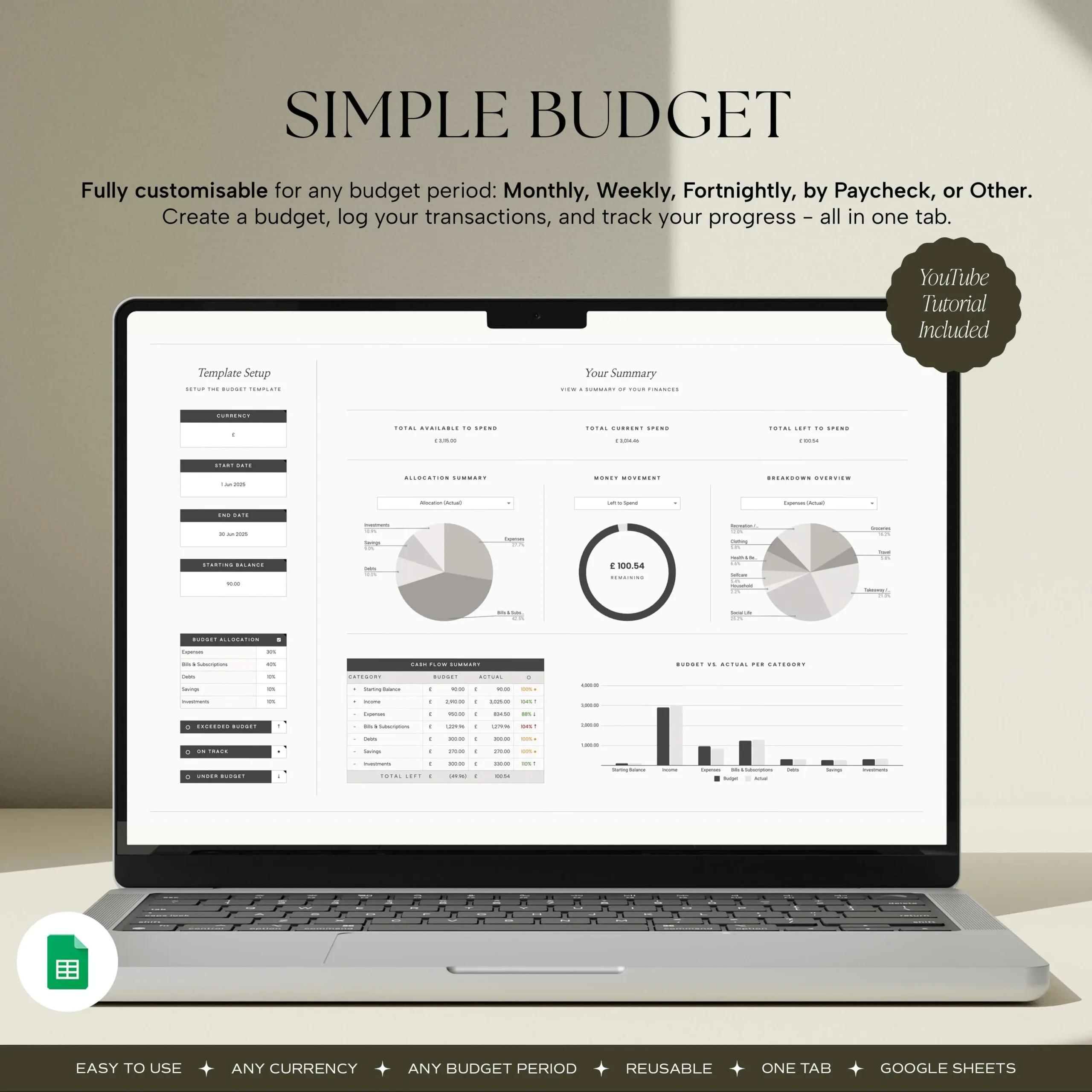
    ๐Ÿ’ฐ The Simple Budget That Actually Works

    A simple budget that actually works โ€” no complicated rules. Learn an easy, realistic way to manage your money without feeling restricted.

    Here is why Most budgets fail

    Not because people donโ€™t careโ€ฆ
    but because theyโ€™re too complicated.
    Too many categories.
    Too many rules.
    Too hard to keep up with.

    So people try โ†’ stop โ†’ restart โ†’ repeat.

    ๐Ÿ‘‰ Thatโ€™s the problem.

    This isnโ€™t about strict budgeting.

    Itโ€™s about something simple enough that youโ€™ll actually stick to.


    โšก Why Most Budgets Methods Donโ€™t Work

    Most budgeting methods:

    • try to control everything
    • feel restrictive
    • take too much effort

    And when it feels like too muchโ€ฆ

    ๐Ÿ‘‰ you stop using it.

    Thatโ€™s why simple works better.


    ๐Ÿ“Š Complicated vs Simple Budget

    Complicated BudgetSimple Budget
    Too many categories3 main buckets
    Hard to trackEasy to follow
    Time-consumingQuick to manage
    Easy to quitEasy to stick with

    ๐Ÿ’ก The Simple Budget That Works

    Instead of tracking everythingโ€ฆ

    ๐Ÿ‘‰ break your money into 3 basic parts:


    ๐Ÿงพ 1. Needs (What You Have to Pay)

    • rent / housing
    • bills
    • groceries
    • transportation

    ๐Ÿ‘‰ things you canโ€™t avoid


    ๐ŸŽฏ 2. Wants (What You Choose to Spend)

    • eating out
    • subscriptions
    • shopping
    • entertainment

    ๐Ÿ‘‰ this is where most money leaks happen


    ๐Ÿ’ฐ 3. Savings (What You Keep)

    • savings
    • emergency fund
    • investing (if possible)

    ๐Ÿ‘‰ this is what builds your future


    โš–๏ธ Simple Percentage Idea (Flexible)

    You donโ€™t have to be exact.

    Just aim for something like:

    • Needs โ†’ ~50โ€“60%
    • Wants โ†’ ~20โ€“30%
    • Savings โ†’ ~10โ€“20%

    ๐Ÿ‘‰ adjust based on your situation


    ๐Ÿง  Why This Budget Actually Works

    Because it:

    • reduces overwhelm
    • keeps things flexible
    • focuses on awareness, not perfection

    Youโ€™re not tracking every dollar.

    Youโ€™re just making sure your money has direction.


    ๐Ÿ’ฐ Letโ€™s Be Real About Money

    Not everyone has:

    • extra income
    • perfect financial stability
    • room to save a lot

    And thatโ€™s real.

    So this isnโ€™t about doing everything perfectly.

    ๐Ÿ‘‰ itโ€™s about doing something better than before

    Even small savings count.


    โšก How to Start (Simple Version)

    1. Look at your income
    2. Estimate your 3 categories
    3. Adjust where needed

    Thatโ€™s it.

    No complex system.


    โš–๏ธ Balance Over Restriction

    You donโ€™t need to cut everything.

    You donโ€™t need to feel guilty spending.

    ๐Ÿ‘‰ You just need to be more intentional


    โšก Simple Example

    Instead of:

    • spending without thinking

    Try:

    • โ€œIs this coming from my needs, wants, or savings?โ€

    That one question changes everything.


    ๐Ÿ”ฅ Final Thought

    A budget only works if you use it.

    And youโ€™ll only use it if it feels simple.

    Because managing money isnโ€™t about controlโ€ฆ

    Itโ€™s about awareness and direction.


    ๐Ÿ”ฅ The Overall Message

    You donโ€™t need a complicated system

    you need a simple one youโ€™ll actually follow

    Even:

    • small awareness
    • small adjustments
    • small savings

    can change your finances over time


    โšก Keep in Mind

    Itโ€™s not about being perfect

    itโ€™s about being more intentional than before

    one decision at a time

  • ๐Ÿ’ฐ Side Hustles That Actually Work in 2026 (Real, Simple & Scalable)

    Discover side hustles that actually work in 2026. Simple, realistic ways to make extra money without overcomplicating it.


    Most people don’t believe in side-hustle because:

    But most of them:

    • sound good
    • look easy
    • donโ€™t last
    • too saturated
    • too complicated
    • or unrealistic to stick with

    So instead of chasing trendsโ€ฆ

    ๐Ÿ‘‰ focus on what actually works now:

    • simple
    • flexible
    • repeatable

    โšก What Makes a Side Hustle Work in 2026

    The ones that last usually have:

    • low startup cost
    • simple execution
    • real demand
    • ability to repeat or scale

    Not hype.
    Not shortcuts.

    Just something you can:
    ๐Ÿ‘‰ start โ†’ improve โ†’ grow


    ๐Ÿ“Š Trend vs Reality

    Trend-BasedSustainable
    Fast hypeSteady growth
    Hard to maintainEasy to repeat
    Short-termLong-term potential
    Unclear incomeClear value

    ๐Ÿ’ผ Side Hustles That Actually Work


    ๐Ÿง  1. Content Creation (Short-Form Focus)

    • Posting content consistently (TikTok, YouTube Shorts, etc.)
    • Monetization comes from:
      • ads
      • products
      • affiliate links

    ๐Ÿ‘‰ Simple to start, grows over time


    ๐Ÿ›๏ธ 2. Reselling (Flipping Items)

    • Buy low โ†’ sell higher
    • Clothes, electronics, everyday items

    ๐Ÿ‘‰ Works because demand is always there


    โœ๏ธ 3. Freelance Digital Skills

    • Writing, editing, design, simple services
    • Start small, improve over time

    ๐Ÿ‘‰ Skill = income potential


    ๐Ÿ›’ 4. Digital Products

    • Guides, templates, simple resources
    • Sell repeatedly once created

    ๐Ÿ‘‰ One-time effort โ†’ ongoing income


    ๐Ÿ“ฆ 5. Local Services

    • Cleaning, organizing, moving help, small tasks

    ๐Ÿ‘‰ High demand, low barrier to entry


    ๐Ÿง‘โ€๐Ÿ’ป 6. Online Assistance / Virtual Tasks

    • Helping businesses or individuals with simple tasks
    • Email, scheduling, posting

    ๐Ÿ‘‰ Consistent, flexible work


    ๐Ÿ“ฑ 7. Affiliate Marketing (Simple Version)

    • Recommend products
    • Earn from referrals

    ๐Ÿ‘‰ Works best with content or audience


    ๐Ÿ’ฐ Letโ€™s Be Real About Starting

    Not everyone has:

    • extra time
    • money to invest
    • perfect conditions

    Thatโ€™s normal.

    So instead of waitingโ€ฆ

    ๐Ÿ‘‰ start small

    Even:

    • 30 minutes a day
    • one idea
    • one skill

    is enough to begin.


    โš–๏ธ Consistency Over Perfection

    Some days youโ€™ll feel motivated.
    Some days you wonโ€™t.

    Thatโ€™s part of it.

    ๐Ÿ‘‰ Youโ€™re not trying to be perfect
    ๐Ÿ‘‰ Youโ€™re trying to keep going


    โšก Simple Starting Point

    Pick ONE:

    • post content
    • sell something
    • offer a service

    Donโ€™t overthink it.

    Start โ†’ learn โ†’ adjust.


    ๐Ÿ”ฅ Final Thought

    Side hustles donโ€™t work because of the idea.

    They work because:

    • you stick with them
    • you improve over time
    • you stay consistent

    ๐Ÿ”ฅ The Overall Message

    You donโ€™t need the perfect idea

    you need a simple one youโ€™ll actually do

    Even:

    • small effort
    • small progress
    • small income

    can grow into something bigger


    โšก Keep in Mind

    You donโ€™t need to rush

    you just need to start

    one step at a time

  • ๐Ÿ’ธ  15 Things Youโ€™re Wasting Money On Every Month (And Probably Donโ€™t Notice)

    ๐Ÿ’ธ 15 Things Youโ€™re Wasting Money On Every Month (And Probably Donโ€™t Notice)

    Discover 15 common things you might be wasting money on every month โ€” and simple ways to save without changing your whole lifestyle.


    Most people donโ€™t lose money in big ways.

    They lose it quietly.

    Small charges.
    Habits.
    Things that donโ€™t feel like a big dealโ€ฆ

    until they add up.

    ๐Ÿ‘‰ Thatโ€™s where money slips away every month.

    This isnโ€™t about cutting everything.

    Itโ€™s about noticing whatโ€™s unnecessary โ€”
    and keeping more of whatโ€™s yours.


    โšก Where Money Quietly Disappears

    Itโ€™s usually not one big expense.

    Itโ€™s:

    • small, repeated spending
    • unused services
    • convenience habits

    That feel normalโ€ฆ

    but cost more than you realize.


    ๐Ÿ’ธ 15 Things You Might Be Wasting Money On


    ๐Ÿ“บ 1. Subscriptions You Donโ€™t Use

    • Streaming, apps, memberships
    • Easy to forget, but they keep charging

    โ˜• 2. Daily Convenience Purchases

    • Coffee, snacks, quick stops
    • Small individually, expensive over time

    ๐Ÿ” 3. Ordering Food Too Often

    • Convenience adds up fast
    • Especially with fees and tips

    ๐Ÿงพ 4. Late Fees & Missed Payments

    • Completely avoidable
    • Costs money for no value

    ๐Ÿ›๏ธ 5. Impulse Buying

    • Buying without planning
    • Usually not needed long-term

    ๐Ÿš— 6. Driving Short Distances

    • Gas + wear adds up
    • Sometimes avoidable

    ๐Ÿ“ฆ 7. Free Trials You Forgot to Cancel

    • Turn into paid subscriptions
    • Easy to overlook

    ๐Ÿท๏ธ 8. Buying Cheap Items Repeatedly

    • Replacing low-quality items costs more over time
    • Paying slightly more once can save money

    ๐Ÿ’ณ 9. Not Checking Your Bank Statements

    • Small charges go unnoticed
    • Mistakes or subscriptions slip through

    ๐Ÿฟ 10. Entertainment Spending Out of Habit

    • Paying just to โ€œdo somethingโ€
    • Not always intentional

    ๐Ÿงƒ 11. Buying Drinks Instead of Bringing Your Own

    • Adds up quickly
    • Easy to replace with a simple habit

    ๐Ÿ›’ 12. Grocery Shopping Without a Plan

    • Leads to overbuying or wasted food
    • More spending than needed

    ๐Ÿ“ฑ 13. Paying for Features You Donโ€™t Use

    • Apps, services, upgrades
    • Not always necessary

    ๐Ÿงด 14. Overbuying โ€œJust in Caseโ€ Items

    • Things that sit unused
    • Money tied up in stuff you donโ€™t need

    โณ 15. Paying for Convenience Without Thinking

    • Faster, easier options cost more
    • Not always worth it every time

    ๐Ÿ“Š Small Costs Add Up

    Daily HabitMonthly Impact
    $5/day~$150/month
    $10/day~$300/month
    $20/day~$600/month

    ๐Ÿ‘‰ Small spending = big totals over time


    ๐Ÿ’ฐ Letโ€™s Be Real About Spending

    Not everything on this list needs to go.

    Some things:

    • make life easier
    • save time
    • are worth it

    And thatโ€™s okay.

    This isnโ€™t about removing everything.

    ๐Ÿ‘‰ Itโ€™s about being more intentional


    โš–๏ธ Balance Over Restriction

    You donโ€™t need to:

    • cut everything
    • feel guilty about spending

    You just need to:
    ๐Ÿ‘‰ notice whatโ€™s not worth it


    โšก Simple Start

    Pick 1โ€“2 things from this list.

    Thatโ€™s it.

    Even small changes:

    • reduce waste
    • increase savings
    • build awareness

    ๐Ÿ”ฅ Final Thought

    Money doesnโ€™t just disappear.

    It slips away in small, unnoticed ways.

    And once you see itโ€ฆ

    you can start keeping more of it.


    ๐Ÿ”ฅ The Overall Message

    You donโ€™t need to cut everything

    you just need to notice whatโ€™s unnecessary

    Even:

    • one canceled subscription
    • one reduced habit
    • one better decision

    can make a real difference


    โšก Keep in Mind

    Itโ€™s not about being perfect

    itโ€™s about being more aware than before

    one decision at a time